Pick food by visitor job first: quick fuel, family reset, rainy-day shelter, special dinner, familiar Asian comfort, steak/Canadian dinner, coffee/dessert, groceries/picnic, or drinks. Then solve the physical constraints: where the car is, how far the group can walk, nearest washroom, current hours/reservations, and whether anyone must drive after alcohol.
Food is the emotional reset, not just a search result
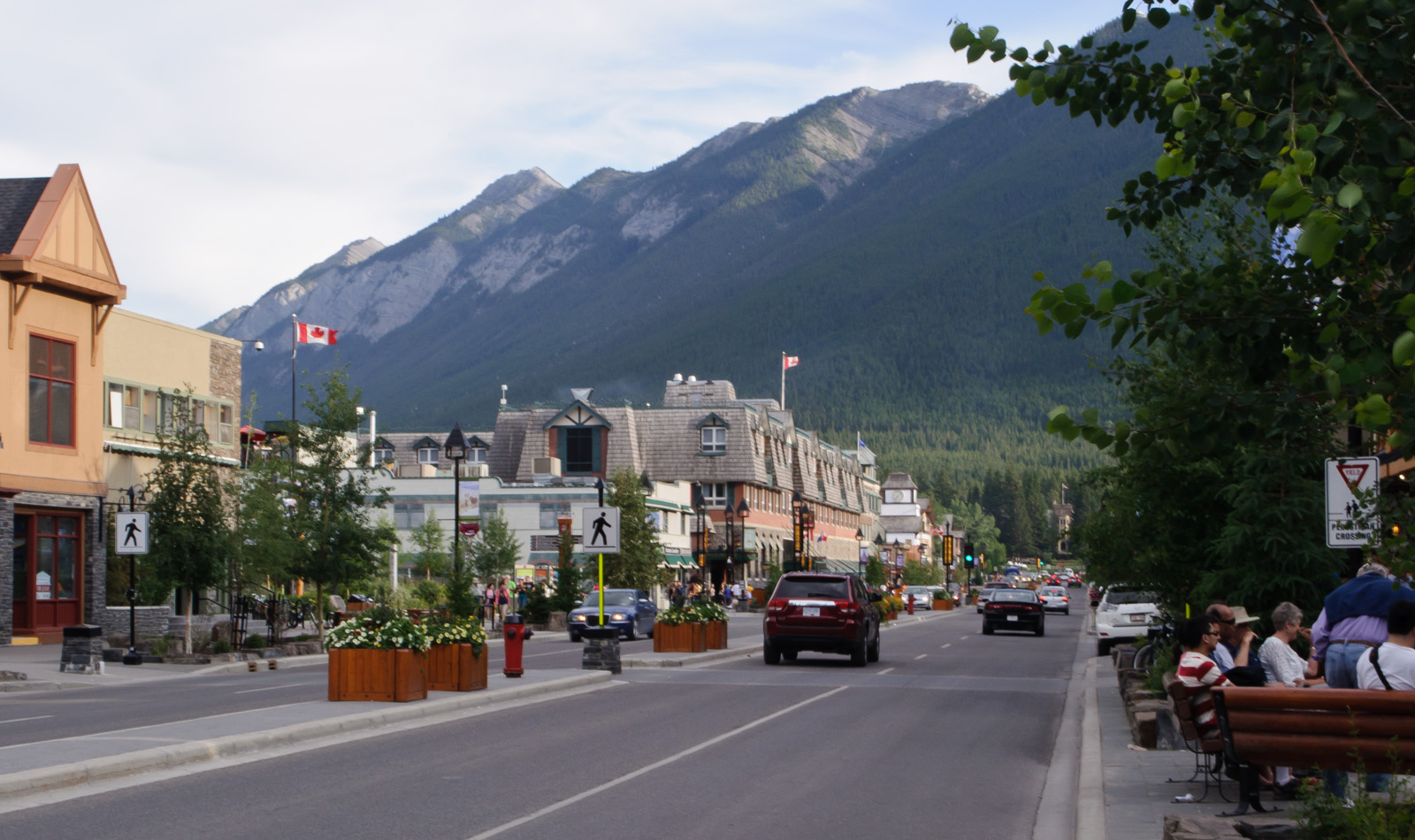
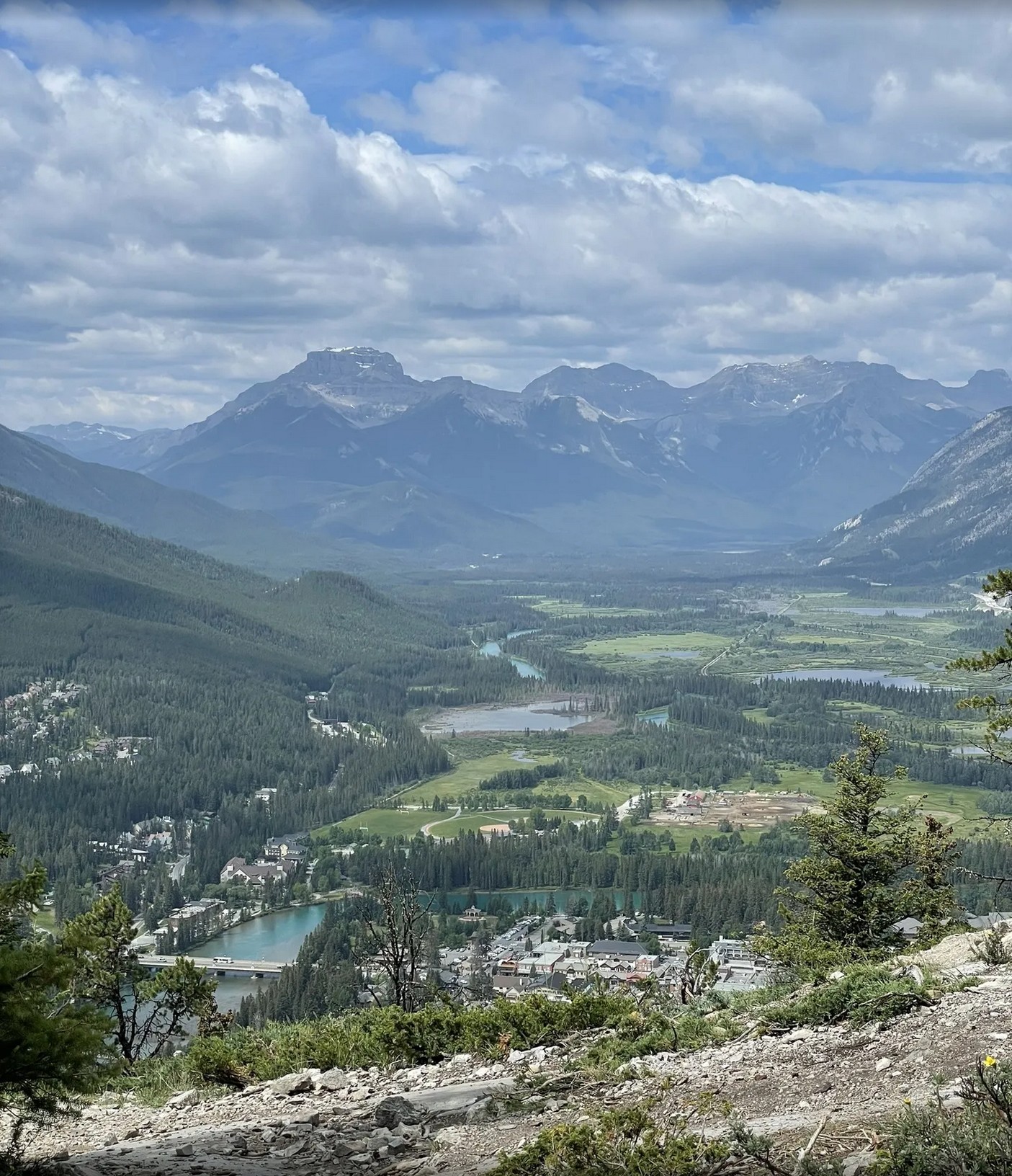
Food route planner
Choose food by what the trip needs in the next hour.
A good food page should make the visitor feel the day: cold hands, hungry kids, a table with a view, dessert after shopping, and the safe way back after drinks.
The food decision stack
Most bad Banff food choices happen because the group asks "what is the best restaurant?" too late. Ask these in order instead:
Hunger, cold/rain, child reset, older visitor seating, special dinner, quick pre-gondola snack, hotel groceries, or after-ride recovery are different jobs.
Downtown/Banff Avenue, Bear Street, Train Station parking, hotel, Gondola/Hot Springs side, Bow River/Bow Falls side, or a lake-drive return.
Walk, Roam, taxi, hotel return, drive to Canmore, lake drive, or no-driving-after-drinks evening. Food should make the next step easier, not harder.
Reservation full, long wait, tired kids, rain, no nearby washroom, expensive menu mismatch, parking expiry, or a driver who drank.
Cuisine and intent map
Use this when the group wants rice/noodles, shared plates, or a familiar reset after a long outdoor day. It is often a better family recovery choice than chasing a famous but unfamiliar menu.
Use ramen or casual Japanese comfort when the group is cold, wet, or wants something predictable. Use sushi/karaoke-style options as an evening activity only after the return plan is clear.
Use this for a special Banff night, date dinner, visiting family, or "we came to the Rockies" meal. It usually needs reservation, budget, clothing, walking-distance, and no-driving-after-drinks thinking.
Use this for group energy, rainy evening, or after-gondola downtown return. It is not just a food choice: it triggers the walk, taxi, transit, or designated-driver decision.
Use before Gondola, before a lake drive, between shopping blocks, or when kids need a small reset before the real meal. This is often the cheapest way to rescue a schedule.
Use groceries when the next chapter is a lake drive, family snack plan, hotel breakfast, dietary constraint, or budget control. Treat it as logistics, not a separate attraction.
Tap the food problem first
Food becomes easier when the visitor picks the real problem first. The cuisine is only useful after the route, group energy, weather, and return plan are clear.
Predictable food, short walk, washroom first
Use this when kids, older visitors, or tired travelers need a stable meal more than a famous restaurant. Choose a downtown or Bear Street cluster, confirm nearby washrooms, keep the walk short, and have one backup in the same area.
Good choices can include familiar Chinese sharing food, ramen, pizza, casual Canadian food, hotel dining, groceries, or a snack before the real meal. The win is recovering the group so the next chapter still works.
Warm food can save the day
Use ramen, soup, hot drinks, coffee, quick indoor food, or a warm dessert stop when rain, wind, smoke, low cloud, or wet clothing makes viewpoint chasing weaker. Keep transitions short and do not drag the group across town for a slightly better review.
Photo Story Studio should treat this as a real chapter: the day changed, the group warmed up, and the food stop kept the trip alive.
Make the reservation only after the route makes sense
Use this for steak, fondue, a date night, a birthday, visiting family, or a polished Banff dinner. Verify the restaurant page, reservation link, menu, budget, clothing/layer needs, and walking distance before booking.
If alcohol is part of the night, decide walking, taxi, Roam, designated driver, or no-alcohol plan before the table is booked.
A small stop can be the right answer
Use coffee, ice cream, candy, fudge, groceries, or a postcard stop when the group needs a light reset, not a full meal. Pair the stop with downtown shopping, Central Park/Bow River, the Visitor Centre, or the walk back to the car.
This is where a small physical memory works well: buy a card, write one line, check postage, and mail it before leaving town.
Banff dinner changes the return problem
Use this when the hotel, car, or rental bike is in Canmore. A late Banff dinner with drinks creates a real return problem. Check Route 3, taxi, designated driver, or choose an earlier/simple Banff meal and finish the evening in Canmore.
For Legacy Trail visitors, the food decision sits on top of bike return, bus bike-rack capacity, and whether the group has enough energy to get back.
Choose the food cluster, not just the restaurant
Best first-time orientation zone: mountain-street photos, shops, coffee, quick meals, visitor help, and easy handoff to Bear Street or Bow River.
Use this calmer pedestrian-priority spine for restaurants, patios, shopping, sitting, and evening walking. It pairs well with Bear Street Parkade and the no-driving-after-dinner plan.
Use Train Station Public Parking when the group can walk into town and wants to stop driving. Food becomes part of a wider downtown loop instead of another parking search.
Do not assume food solves itself after a timed attraction. Decide whether you eat before going up, at the summit/lower terminal, after hot springs, or back downtown.
Good for a scenic short stop and polished meal only when the route, parking, and group energy fit. Do not drag a hungry group there only because it looks close on a map.
After Lake Minnewanka, Lake Louise, or a scenic drive, pick food based on fatigue and parking. A simple downtown dinner can beat another "must-see" stop.
Food plus parking, washrooms, and timing
Use Train Station Public Parking, Bear Street Parkade, hotel walking, or Roam before everyone is hungry. Do not circle Banff Avenue with tired passengers.
For kids, older visitors, cyclists, lake-drive groups, or winter clothing, washroom/water location can matter more than the restaurant rating.
A 10-minute walk before dinner feels different after drinks, rain, shopping bags, tired children, or cold weather.
Hotel, Bow River walk, shopping, museum, hot springs, taxi, Roam, Canmore return, or photo-story export. The meal should point somewhere.
Open parking node | Open washrooms node | Open downtown walk
If you drink, solve the next step first
No-driving-after-alcohol rule
If the meal includes alcohol, decide before dinner whether you are walking to a hotel, taking Roam/taxi, using a designated driver, or staying downtown without driving. Alberta impaired-driving rules make this a core trip-design question, not a footnote.
Choose the restaurant cluster around the hotel, then add a short dessert, Bear Street, or Bow River walk if the group still has energy.
Assign a sober driver before dinner, or do not use the car. Avoid deciding when everyone is tired and the reservation is over.
Solve the late return before booking the Banff dinner. Route 3, taxi, designated driver, or no-alcohol plan changes the restaurant choice.
Check Route 2, taxi availability, hotel shuttle/transit-pass details, or keep dinner in the same walking zone as the hotel.
Open taxi options on Google Maps | Open Roam schedules | Open Alberta impaired-driving guidance
Food choices by visitor type
Pick predictable food, shorter walks, washrooms, seating, and snack backup before the group is already hungry. A good family meal is often the one that prevents the afternoon collapse.
Choose a cluster with parking/transit, a short approach, seating, and a clear return. Do not trade 15 extra minutes of walking for a marginally better rating.
Food should fit Roam and walking. Check last useful transit before a late dinner, especially if the lodging base is Canmore or Tunnel Mountain.
Take one food frame: coffee in rain, ramen after cold weather, steak dinner, grocery picnic, kids' snack reset, or Bear Street patio. The food scene makes the trip human.
Rain, smoke, cold, or tired-group fallback
Food is the easiest way to rescue a Banff plan when wide views are weak or the group is done walking. Pick a cluster that also solves washrooms, warm indoor time, shopping, and the next move.
Use downtown/Bear Street, museum, coffee, ramen, groceries, or hot springs. Keep transitions short.
Switch from distant-view dining logic to close-range street, food, and story details. A warm meal can be better than paying for a weak view.
Choose warm food near the route back, not a long walk across town. Put dry layers and transit/parking timing before the menu.
Use the closest good-enough food near the parking/hotel/transit path. Ambitious dining is not worth losing the rest of the day.
Turn the meal into a story node
For the memory movie product, food is not an ad pasted onto the page. It is a place node in the visitor's day: where they recovered, changed plans, warmed up, celebrated, fed kids, or ended the night safely.
First coffee, bakery bag, grocery snacks, or breakfast before the first view.
Ramen, soup, hot drink, dry jacket, kid snack, or warm indoor table after rain/cold.
Steak dinner, birthday dessert, beer flight, cocktail, or group toast after a clear return plan.
Exterior sign, table setting, menu detail, dish photo, and map pin can become a future partner node if traffic proves demand.
Use directories as current truth
Restaurant hours, menus, ownership, reservation availability, and accessibility details change. Use this page for the decision logic, then verify with official directories, restaurant pages, current map listings, parking pages, and transit schedules before walking across town.
Open official dining directory Open specific restaurant examples
Official sources and live links
Hours, prices, transit schedules, parking rules, closures, and ticket availability can change. Use these links as the current source of truth.