For most visitors, the best downtown plan is: park once or arrive by Roam, use a known washroom/water stop, start with Banff Avenue for the classic arrival view, shift to Bear Street for a calmer shopping/dining spine, then end near food, the Bow River, Central Park, hotel, or the next transit/attraction move.
See the downtown walk before reading the checklist
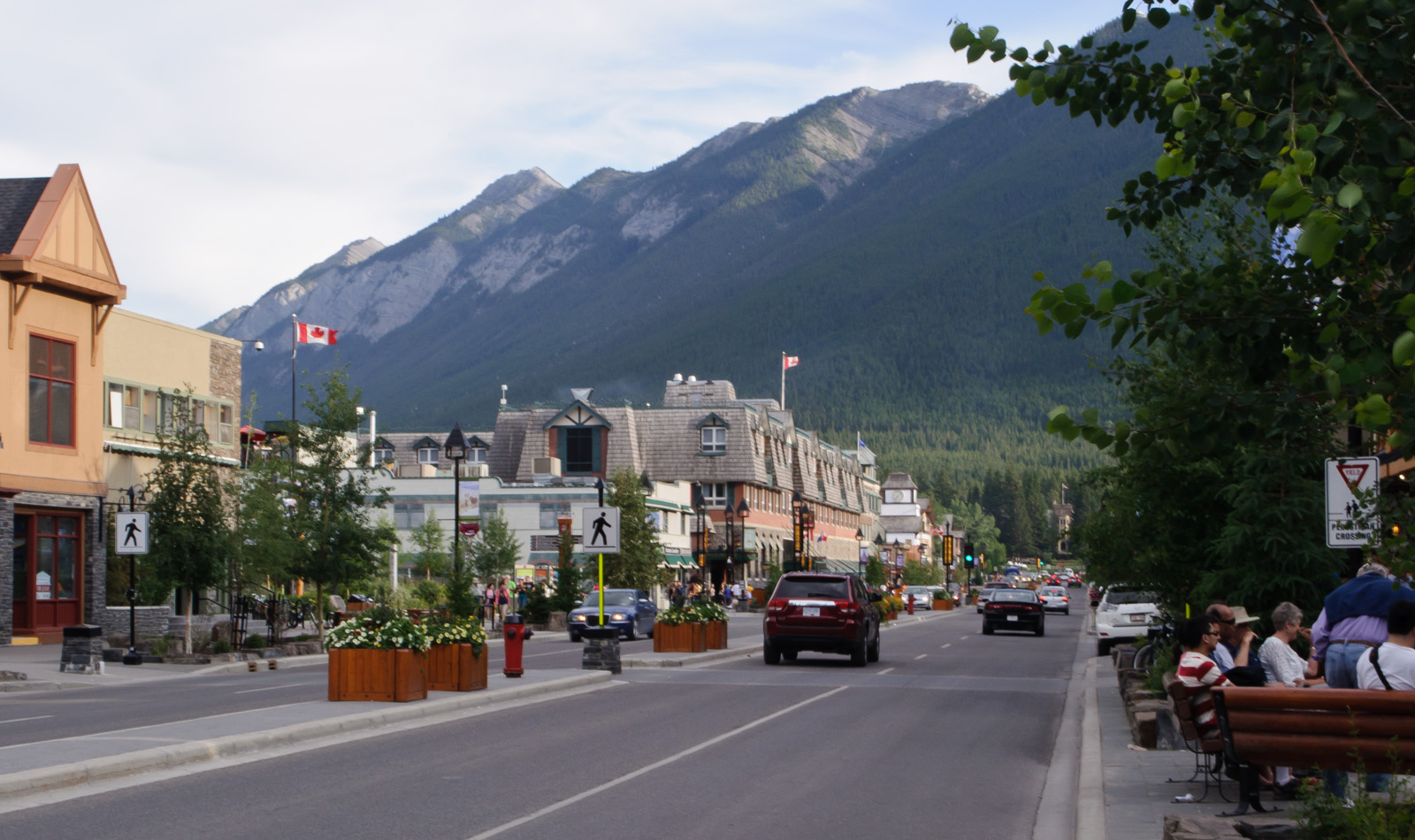
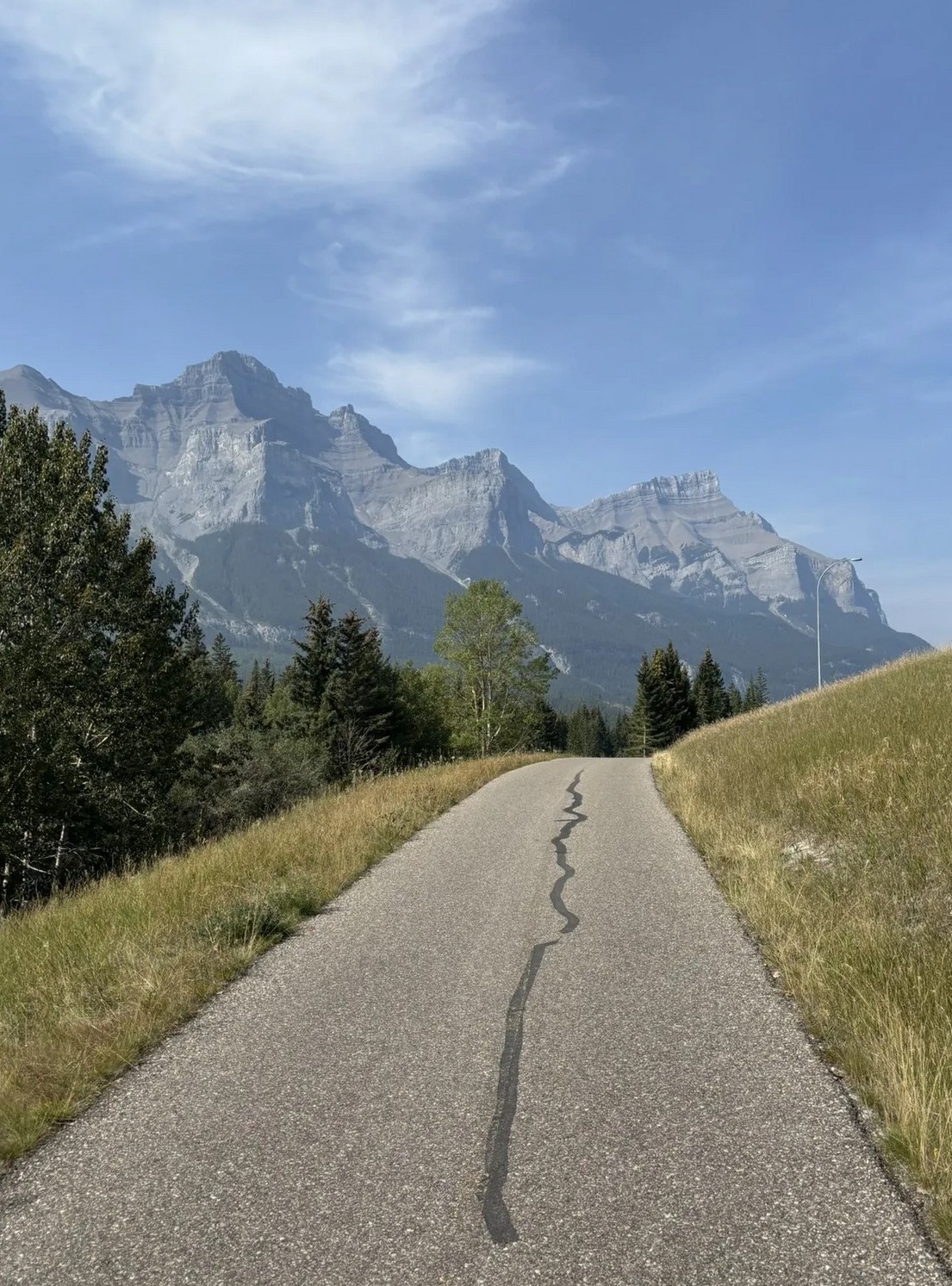
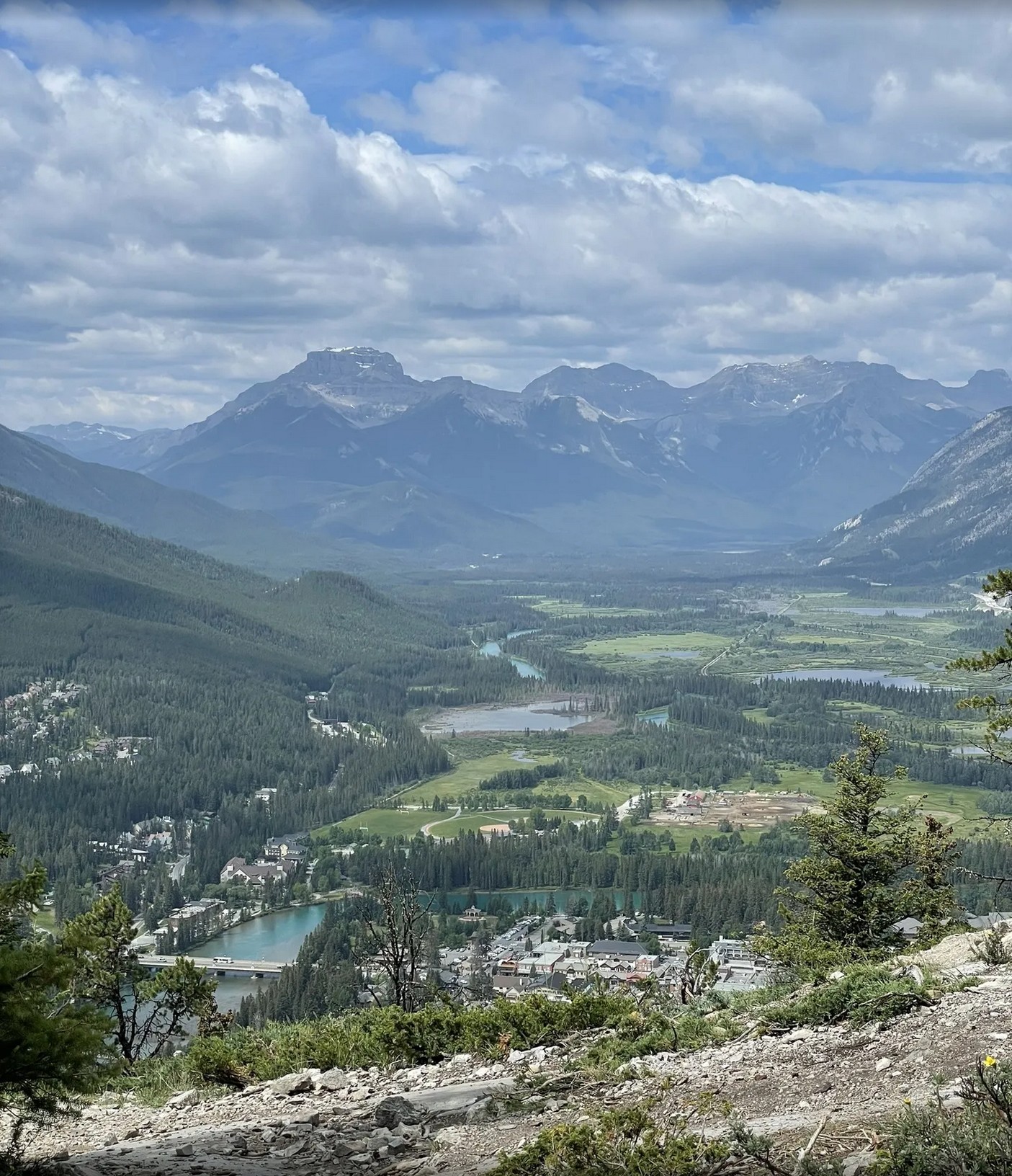
Visual town route
Use downtown as the place where the trip becomes manageable.
Visitors do not need a store directory first. They need to feel the street, then solve the ordinary problems: washroom, water, forgotten gear, coffee, gifts, food, parking, and the next move.
First-hour downtown script
- Arrive: park once at Train Station Public Parking, Bear Street Parkade, or another official option; or arrive by Roam and skip the car loop.
- Reset: use a washroom and water bottle filler before the group is hungry, cold, or uncomfortable.
- Orient: use Banff Avenue for the classic storefront/mountain arrival frame, then move toward Bear Street when the group wants a calmer pedestrian-priority street.
- Buy what solves the day: layer, hat, sunglasses, sunscreen, rain shell, child snack, souvenir, art, technical outerwear, or picnic supply.
- Exit cleanly: finish near food, Central Park/Bow River, hotel, Roam stop, parking, or the next attraction. Do not restart the car just to move a few blocks.
Choose downtown by the problem it solves
Use downtown for layers, hats, sunglasses, rain shell, sunscreen, gloves, kids' basics, or technical outerwear before a lake, gondola, bike, or walking plan. Banff & Lake Louise describes shopping options from big-brand clothing and technical outerwear to local art and Canadian goods.
Use the downtown walk to decide whether the group needs coffee, snack, groceries, quick ramen, Chinese sharing meal, steak dinner, brewery, or an after-dinner no-driving plan.
Use Banff Avenue and Bear Street for small gifts, art/galleries, outdoor-themed items, Canadian goods, and store interiors that make good story details. Do not make the souvenir stop a parking problem.
Downtown can become the backup attraction: shopping, coffee, indoor museum, Visitor Centre, pharmacy, groceries, and a short Bow River/Central Park reset.
Do not start with a long shopping list. Start with washroom, seating, water, snack, one good street, one shop cluster, and a clear return path to car, hotel, or bus.
Downtown is the opening chapter: arrival sign/street, storefront detail, coffee/snack, human-scale mountain view, and the map pin that explains where the day began.
Tap the downtown problem first
Downtown works best when it answers the visitor's immediate problem. Pick the job first, then the store or street makes more sense.
I need real outdoor gear before the next stop
Use this when the next chapter is exposed to sun, rain, wind, snow, lake weather, or a bike ride. Compare the official or tourism-listed anchors before walking: Patagonia Banff at the south end of Banff Avenue, Arc'teryx Banff on Banff Avenue, lululemon Banff for technical apparel, and current map listings for other outdoor stores.
This is not souvenir shopping. The useful question is: will a shell, hat, sunglasses, socks, gloves, or a warmer layer keep the next three hours from failing?
I want something small enough to carry home
Use this for gifts, local-looking items, candy, fudge, ice cream, cards, or one small object that proves the place happened. Big Bear Trading Co. is a Banff Avenue lifestyle/souvenir anchor; Banff Sweet Shoppe and COWS turn a short downtown stop into a snack-and-memory stop.
If the group is tired, pair this with a bench, Bow River/Central Park, or a short food stop instead of extending the shopping loop.
I want a physical memory to arrive after the trip
Buy a postcard or card downtown, write it while the day is still fresh, verify postage with Canada Post, then mail it before leaving town. Photograph the card, the shop, or the mailbox/post-office stop; it becomes the final frame in the memory story.
This is useful because it creates a delayed memory: the trip continues when the card arrives at home.
The weather or group energy is weak
Shorten the loop. Use washroom, water, coffee, warm food, pharmacy, one shop cluster, museum or hotel reset, then decide whether the next attraction still makes sense. Bad-weather downtown is successful when the group leaves warmer, fed, oriented, and still able to continue.
Banff Avenue, Bear Street, and Bow River are different jobs
Use it for first-time visitors, classic storefront/mountain photos, Visitor Centre access, quick food scouting, and the feeling of "we are in Banff." It can be busy, so avoid making it the whole plan for tired groups.
The Town says Bear Street was rebuilt as a pedestrian-priority shared street with seating, patios, bike racks, planters, and traffic calming. Use it for shopping, galleries, food, sitting, and a slower story pace.
Use it when the group needs scenery without more shops: water, washroom, picnic-style pause, easy walk, or a photo that feels less commercial.
After shopping, move to dinner, hotel, Roam, parking, pharmacy, groceries, or a low-effort walk. The exit is part of the route, not an afterthought.
Washrooms, water, and parking make shopping usable
The Town says visitor pay parking is downtown, all public pay parking is one zone, and free 9-hour parking is available at Train Station Public Parking, Bow Avenue, and upper levels of Bear Street Parkade. Use current Town/BanffParking pages before relying on any copied rate.
The Town public washroom page lists downtown options including Wolf Street, Banff Visitor Centre, Central Park, Town Hall, and other facilities. Use the official map when someone needs one now.
The Town drinking-water page encourages refillable bottles and lists water filling stations, including public-space options such as Bear Street, Banff Avenue blocks, Wolf Street washrooms, Central Park, and Sundance Park in summer.
If the day is confused, use Banff Visitor Centre for park information, pass questions, current conditions, maps, and official sanity checking before buying tickets or driving to the next stop.
Turn shopping into a useful story beat
Shopping can feel like filler if it is only a store list. In the map-story product, it becomes the human part of the trip: the first coffee, the rain shell that saved the lake stop, the art/gift detail, the child snack reset, the Bear Street patio, or the photo that proves where the day started.
Banff Avenue or Bear Street sign, storefronts, mountains beyond the street.
Layer, map, water bottle, snack, souvenir, gallery detail, or local product.
Coffee, family reset, bench, patio, window-shopping, or weather break.
Bow River walk, dinner, hotel, Roam stop, or car back at the same parking anchor.
Local shop handoff
Merchant connection
A useful shop node shows the exterior photo, what problem the shop solves, the exact map entrance, current hours or product link, best visitor use case, and any coupon or QR handoff. Send a visitor to a store because it fits their situation, not because it is pasted into an ad block.
Official sources and live links
Hours, prices, transit schedules, parking rules, closures, and ticket availability can change. Use these links as the current source of truth.