Use Roam Transit when it removes a real visitor problem: a second parking search, a timed-attraction transfer, a Canmore/Banff connection, a lake or canyon access plan, a bike-return risk, or a no-driving-after-dinner return. Choose the route by the scene it unlocks, then verify today's official schedule, fare, service alert, reservation rule, and last useful return before paying for tickets or dinner.
See the transit day before reading the schedule
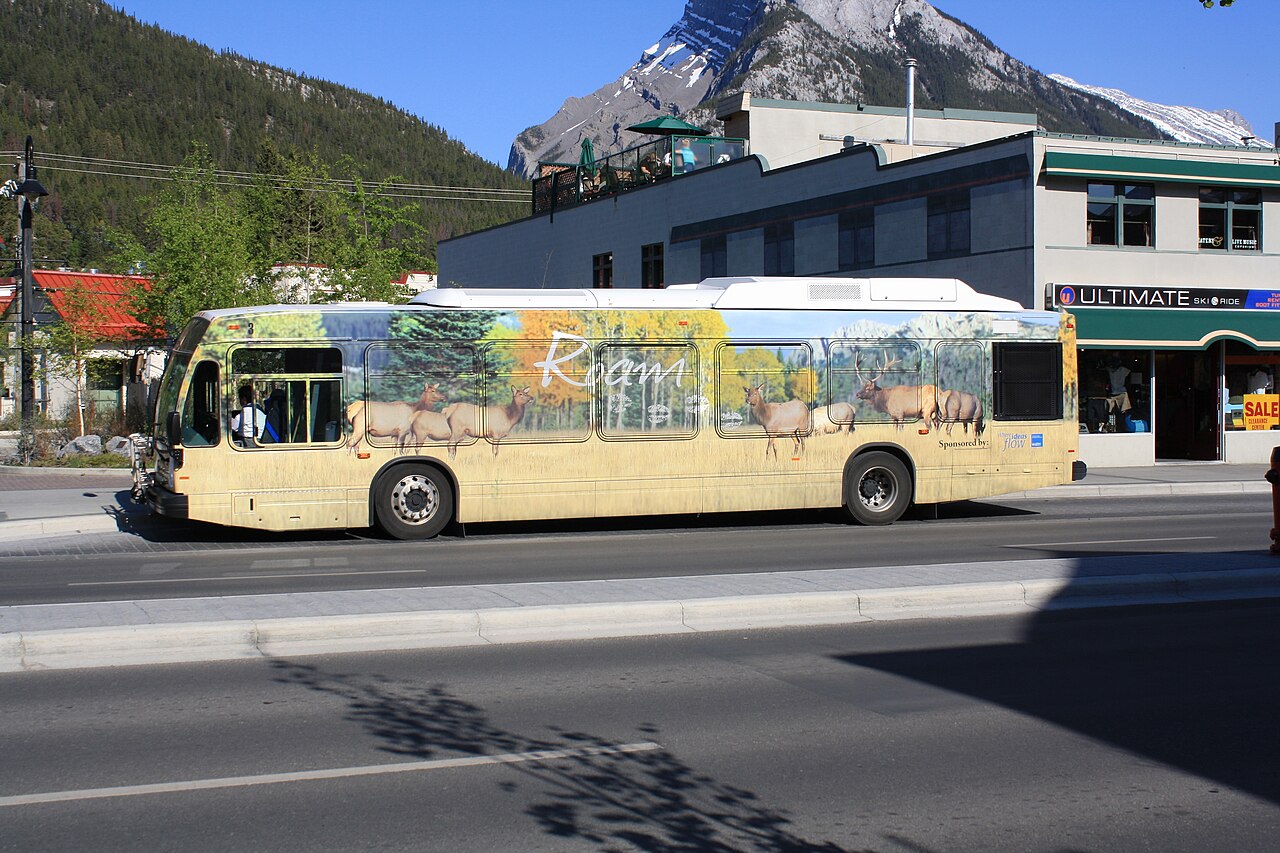
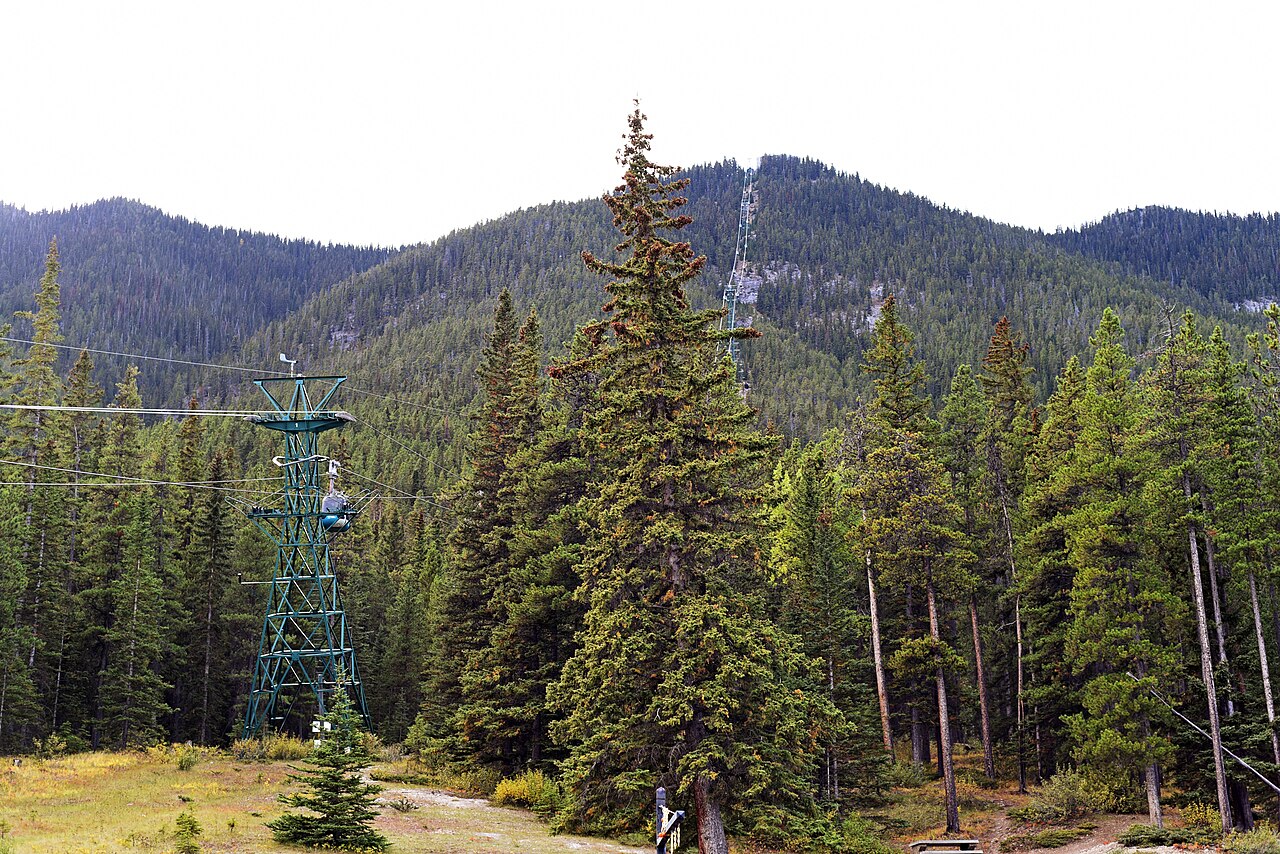
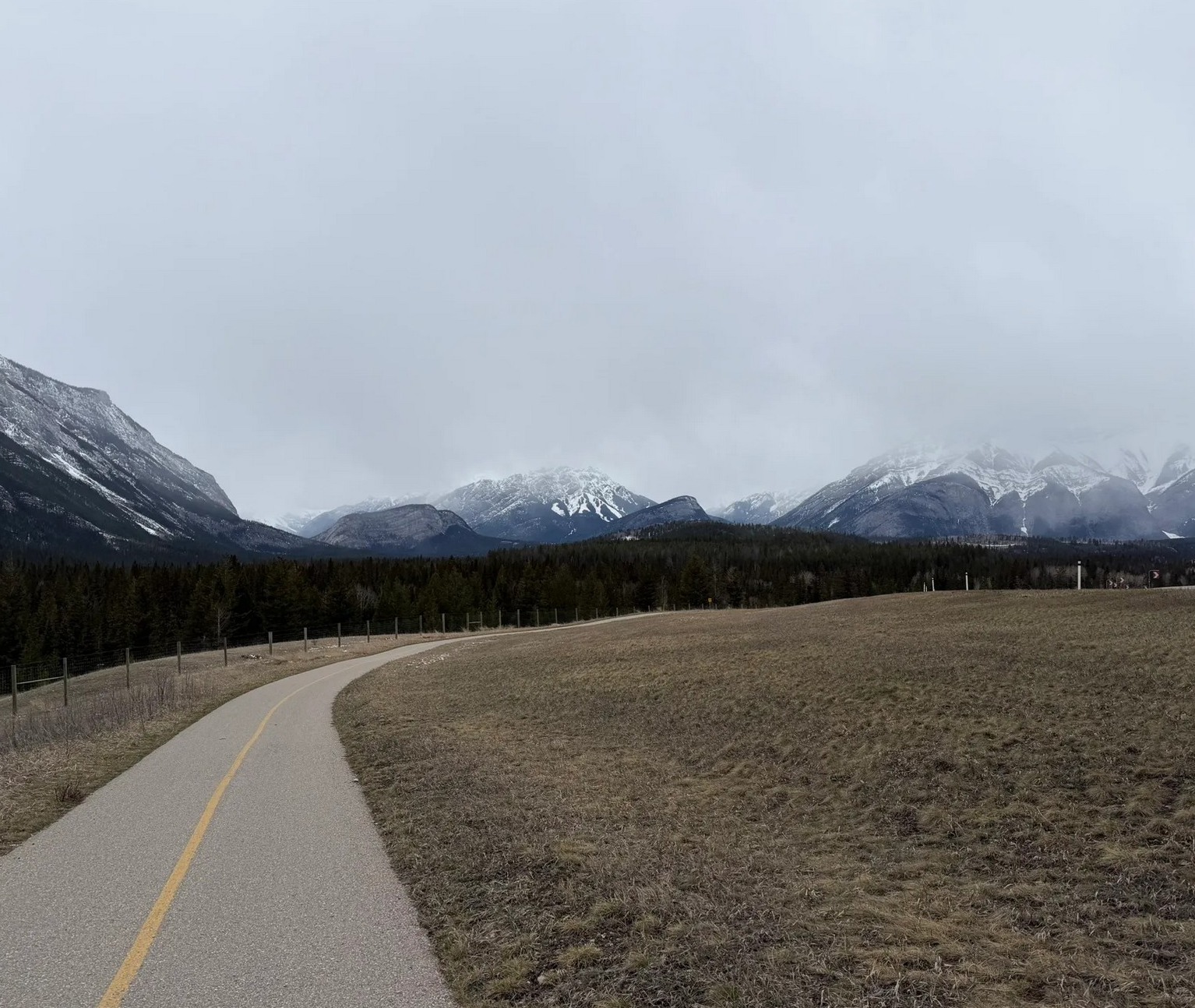
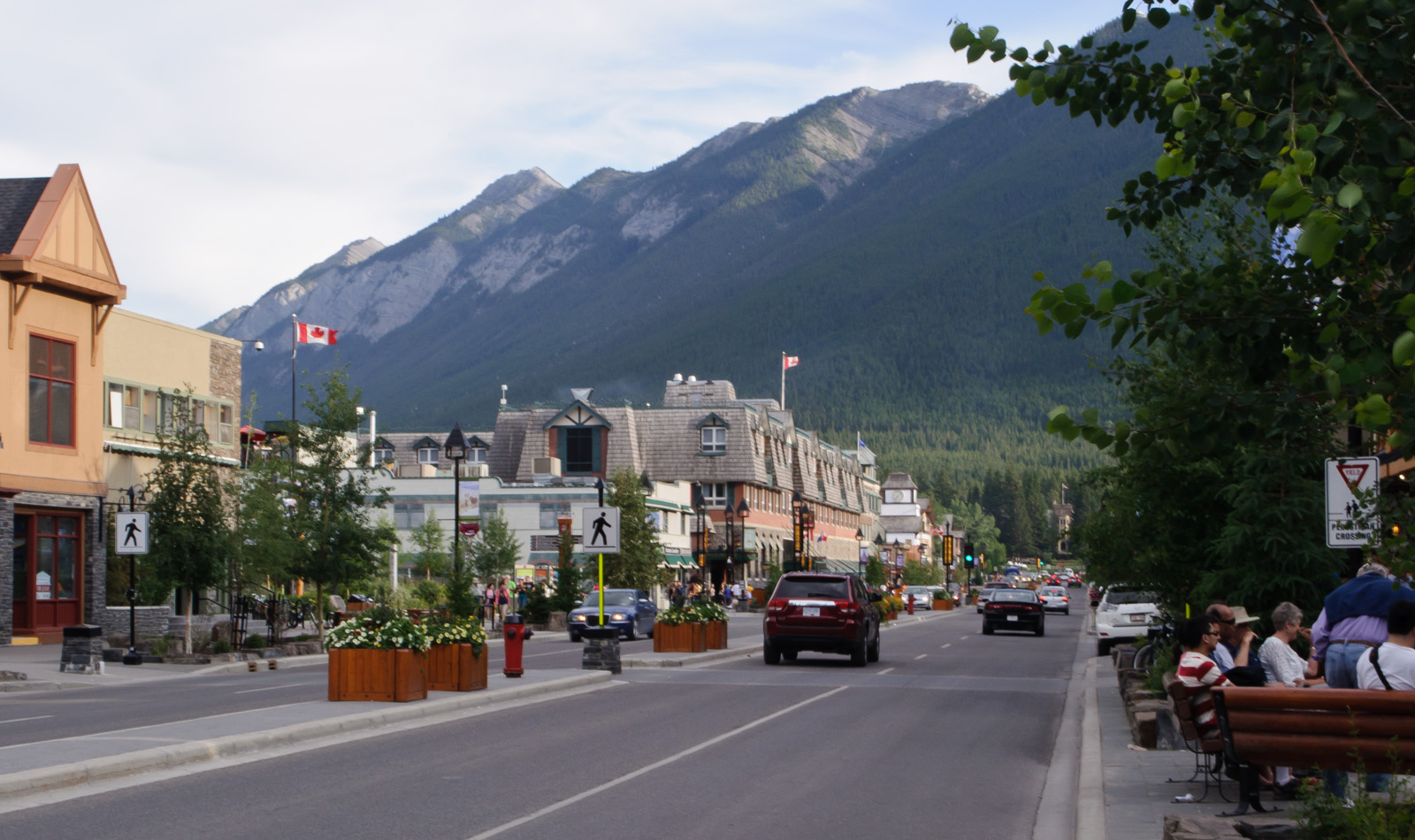
Let people feel the day before they read the rules.
The text below is for search, AI extraction, and careful planning. The decision starts here: can this bus turn the day into town, view, lake, dinner, and an easy return?
Bus photo: Jason Baker via Wikimedia Commons, CC BY 2.0. Gondola photo: KDBelliveau, CC BY-SA 4.0. Banff Avenue photo: InSapphoWeTrust, CC BY-SA 2.0.
Pick the route by the visitor problem
Start with the visitor job. A bus number is useful only after it solves a real problem: parking, dinner, hotel base, timed ticket, lake day, bike return, or low-walking movement.
Route 1 - Sulphur Mountain
Use Route 1 when the anchor is Banff Gondola, Upper Hot Springs, Mountain Avenue, or a no-second-parking plan for the south side of town. Check the official schedule before buying a timed Gondola ticket or promising a hot-springs recovery window.
Route 2 - Tunnel Mountain / Fairmont / hotel base
Use Route 2 when the stay is on Tunnel Mountain, near a campground, outside the easiest downtown walking zone, or connected to Fairmont-side plans. It matters for dinner return, grocery runs, tired kids, and avoiding repeated downtown parking searches.
Route 3 - Canmore / Banff
Use Route 3 for a Canmore base, a no-car Banff day from Canmore, or a Legacy Trail return idea. If bikes are involved, the route number is not the plan; bike-rack capacity, first-come boarding, and where the bike can board in Banff decide whether the return is realistic.
Route 4 - Cave and Basin
Use Route 4 when the goal is Cave and Basin without moving the car again. It is strongest as an indoor/history or lower-walking chapter paired with downtown food, Bow River, or hotel rest.
Route 6 - Lake Minnewanka
Use Route 6 when it is operating and the group wants Lake Minnewanka without a parking fight. It is not a general "all lakes" solution; check the current season, stop, last return, and whether the day also needs cruise tickets, picnic supplies, layers, or water-rule checks.
Lake Louise / Johnston Canyon regional routes
Use 8X and Route 9 as regional access decisions, not local shuttle shortcuts. Roam says reservations are only available for 8X; 2026 summer reservations include Super Pass and Lake-Louise-only products, and Route 10 will not run in 2026. Route 9 reaches Johnston Canyon seasonally; verify dates and current schedule before building the day around it.
When transit is the better trip design
Start in the walkable core, then use Route 1 for Sulphur Mountain, Route 6 for Lake Minnewanka when operating, Route 4 for Cave and Basin, or Route 3 for Canmore.
Park at a practical lot, use downtown on foot, and use Roam for the mountain/lake chapter. This avoids searching for a second parking spot after the group is already tired.
If dinner includes beer, cocktails, wine, or karaoke, decide before the meal: walk to hotel, use Roam/taxi, assign a designated driver, or stay in the downtown walking zone.
Use transit when it prevents repeated parking searches, but keep stroller, tired-child, washroom, and last-return timing visible. A bus solves friction only if the group can still complete the return.
For a Canmore-Banff ride, Route 3 can be part of the return plan, but bike rack capacity and boarding rules decide whether the plan is realistic.
For Gondola, Lake Minnewanka Cruise, Lake Louise/Moraine access, Johnston Canyon, or dinner reservations, verify the route, fare, last return, and reservation rule before payment.
Tickets, fares, and hotel transit passes
Check the Roam fares page before you promise a cost to the group. The useful question is not just "how much is the bus?" but "does transit save a parking move, a taxi, a rental-car return problem, or an impaired-driving risk?"
Roam's current fares page lists Banff local adult/youth single ride and day pass pricing, Canmore/Banff regional pricing, system-wide day passes, payment methods, and where to buy. Treat copied prices as stale and verify on the official page before giving the group a budget.
The Town of Banff says some hotels pay for free guest transit passes on local routes 1, 2, 4 and 6. It also says summer campground visitors on Tunnel Mountain and Two Jack Lake are encouraged to leave the vehicle or RV at the campsite and take Roam into downtown for free.
Roam's policy page says Banff local-service transfers are available from drivers and valid for 45 minutes, while free transfers are not available from Banff/Canmore local service directly to regional service. Verify current policy before building a tight transfer plan.
Roam's reservations page says reservations are only available for 8X between Banff and Lake Louise. For June 1 to October 12, 2026, it lists Super Pass access for Lake Louise and Moraine Lake and Lake-Louise-only reservation options; walk-up 8X does not grant Moraine access.
What can still go wrong
Roam says local routes that allow bikes have a maximum of three exterior-rack bikes, rack space is first come, and passengers without bicycles, wheelchairs, and strollers have priority. Regional services also have a three-bike exterior rack limit, with some interior-rack capacity only when equipped.
For regional riders with bikes, Roam says the Banff High School Transit Hub is the only Banff stop where you can board with a bike unless there is space at later stops. Build Legacy Trail returns around that rule, not a random stop.
Check return times before the attraction or dinner starts. A bus that exists earlier in the day may not solve a late dinner, tired kids, cold weather, or a changed lake/cruise/gondola plan.
Roam says strollers should be no more than 20 inches wide by 48 inches long, very crowded conditions may require folding, and accessible buses have ramps, kneeling entrances, and priority seating. If accessibility is central, build fewer transfers and confirm details.
Roam encourages riders to travel light and does not guarantee transportation of luggage larger than what fits comfortably on your lap. Do not make a grocery haul, big suitcase, stroller, and attraction transfer all depend on one crowded bus.
Roam's Request a Stop program may allow night drop-offs between stops in safe, legal urban/local-route areas, but it is not a substitute for planning the return. Ask the driver early and use official policy as the source.
If the group may drink, transit is part of the safety plan, not just a convenience. Alberta impaired-driving rules make the "how do we get back?" question part of restaurant planning.
Visitor scripts that prevent mistakes
"Can Route 1 get us there and back at the time we want, or do we need to drive and solve parking?"
"Is Route 6 operating for our date, what is the last useful return, and do we need food/layers before leaving downtown?"
"Does our property participate in local hotel transit passes, and does Route 2 solve dinner and grocery movement?"
"If the Route 3 bike rack is full, are we waiting, riding back, or using a rental/tour option that explicitly solves return?"
"Can we walk to the room, catch the right bus, take a taxi, or keep one sober driver?"
"Do we need ordinary Lake Louise access, Moraine Lake access via Super Pass, or only a walk-up seat that might involve waiting?"
Turn transit into the day's story line
Transit nodes are useful for the photo-story product because they create natural chapters: hotel or campground start, downtown reset, mountain view, lake chapter, dinner, and return. When a visitor uploads photos, the story engine can place images near these nodes and ask for confirmation when GPS is missing.
- Route 1 story: town start, Mountain Avenue ride, gondola view, hot springs reset.
- Route 6 story: downtown start, lake approach, Minnewanka water view, return without a parking fight.
- Route 3 story: Canmore base, Banff town chapter, or Legacy Trail return decision.
- Hotel-pass story: room key, bus stop, dinner, safe return, and a no-driving ending.
The safest way to use this page
Use this page to choose the route and failure mode. Use Roam on the day to confirm exact schedules, fares, live bus, service alerts, bike/stroller/accessibility rules, and whether a seasonal route is operating. If the route is attached to a ticketed attraction or dinner reservation, check transit before you buy.
Official sources and live links
Hours, prices, transit schedules, parking rules, closures, and ticket availability can change. Use these links as the current source of truth.