Use a comfort-first plan: choose the weakest constraint first, then solve parking or transit, washroom/change-table zones, food timing, seating, one main view, one easy walk or playground reset, and a backup that works if kids, older visitors, weather, or mobility needs change the day.
See the easy day before reading the checklist
Design the day for the person who will struggle first.
This page is for the moment when a generic Banff itinerary is too optimistic: small kids, an older parent, wheelchair or stroller needs, frequent washrooms, smoke, rain, tired legs, or someone who just needs a predictable day.
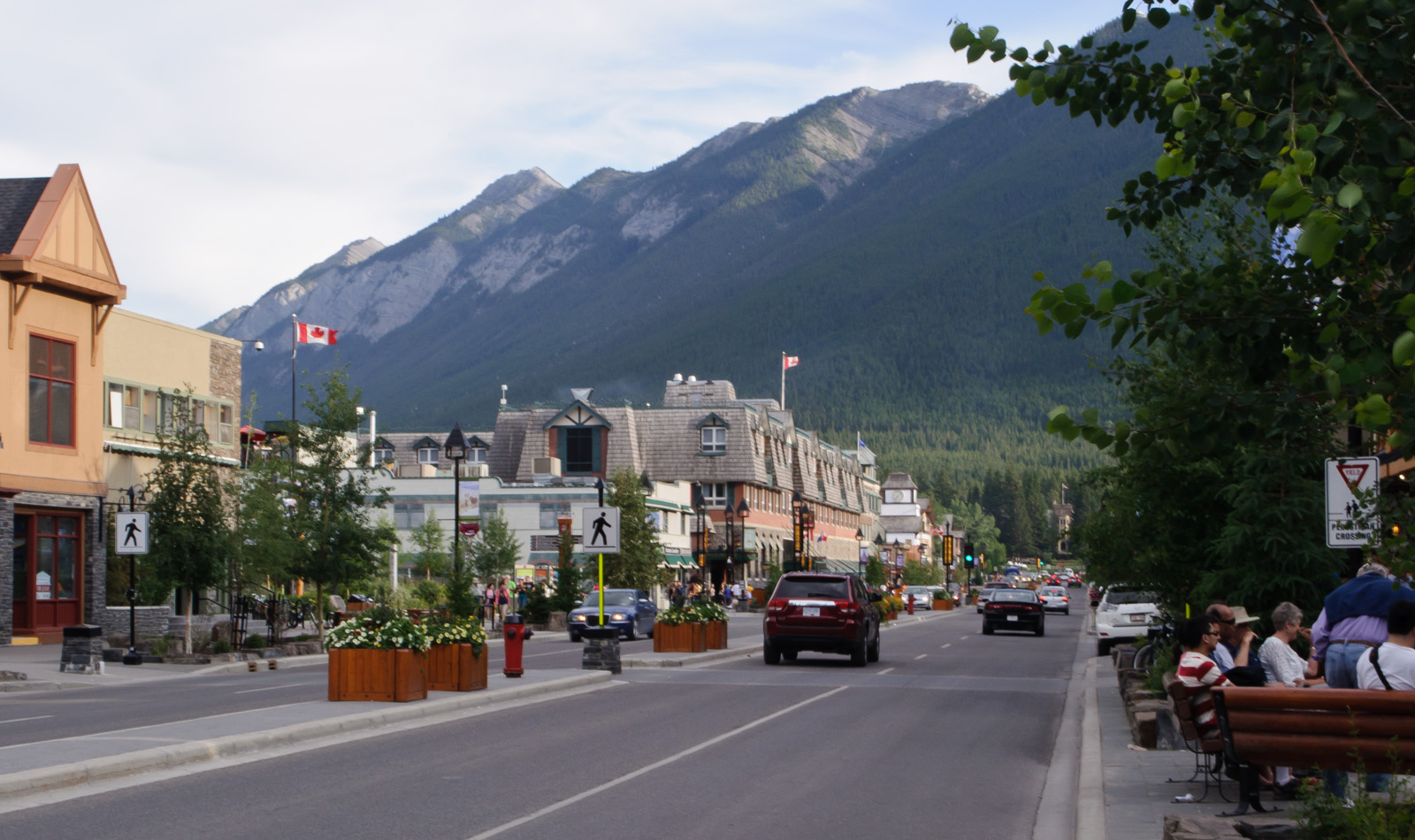
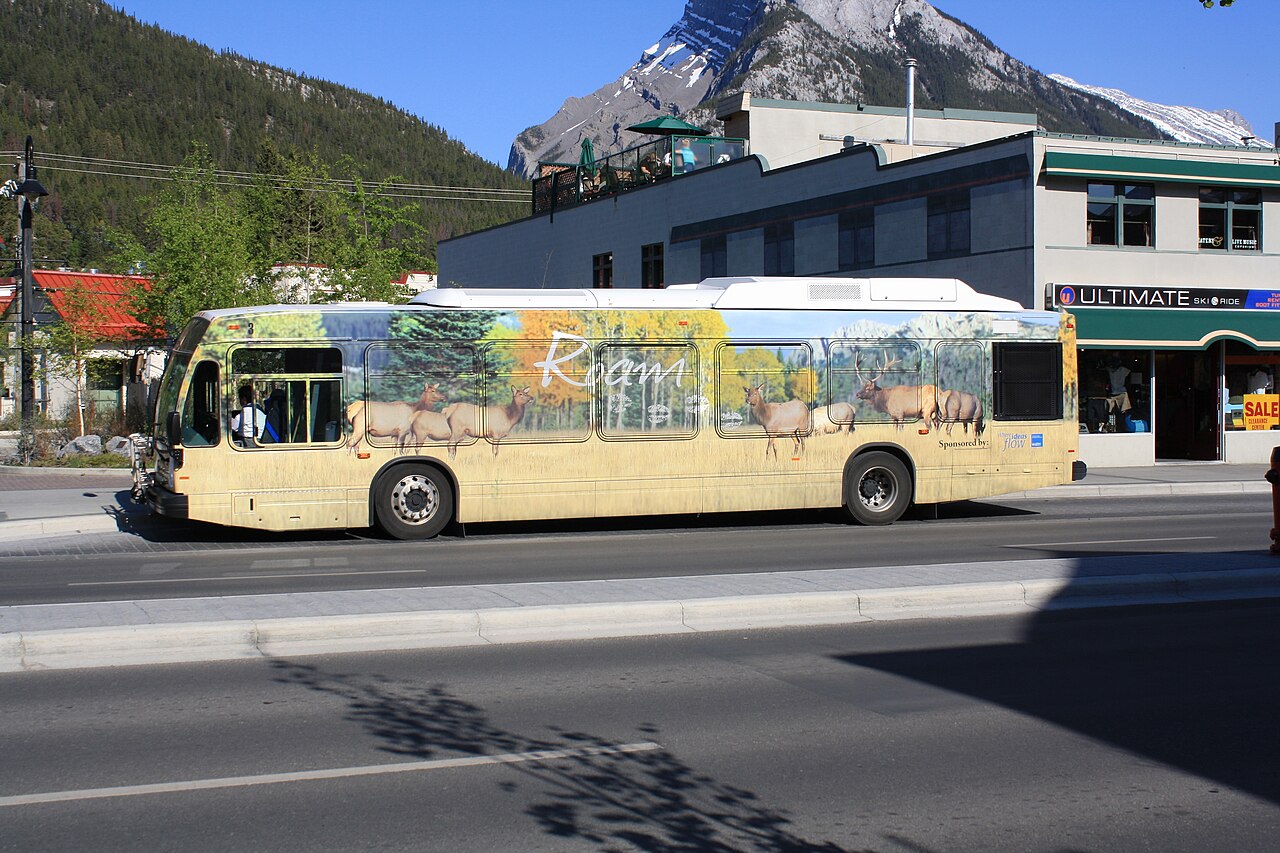
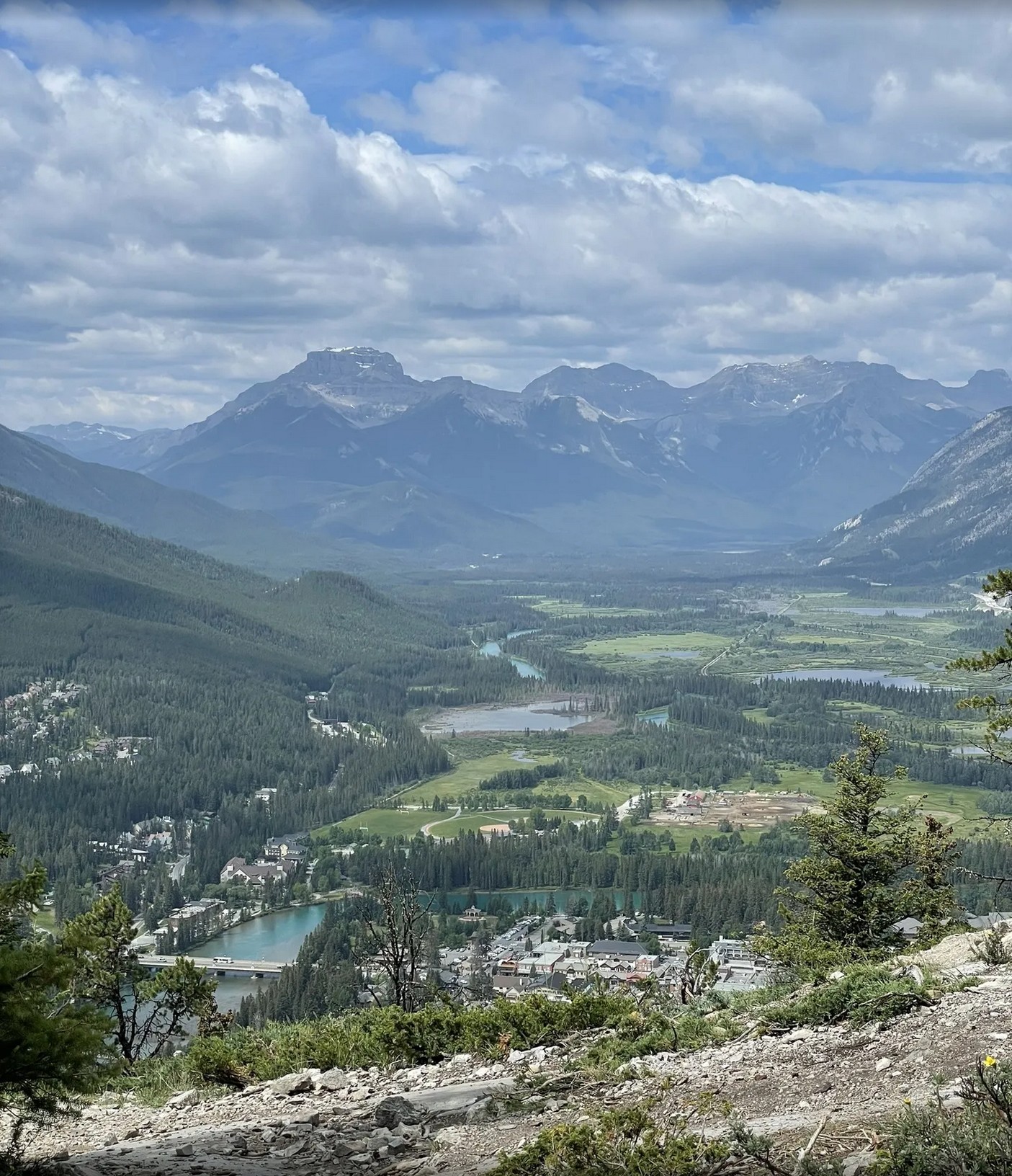
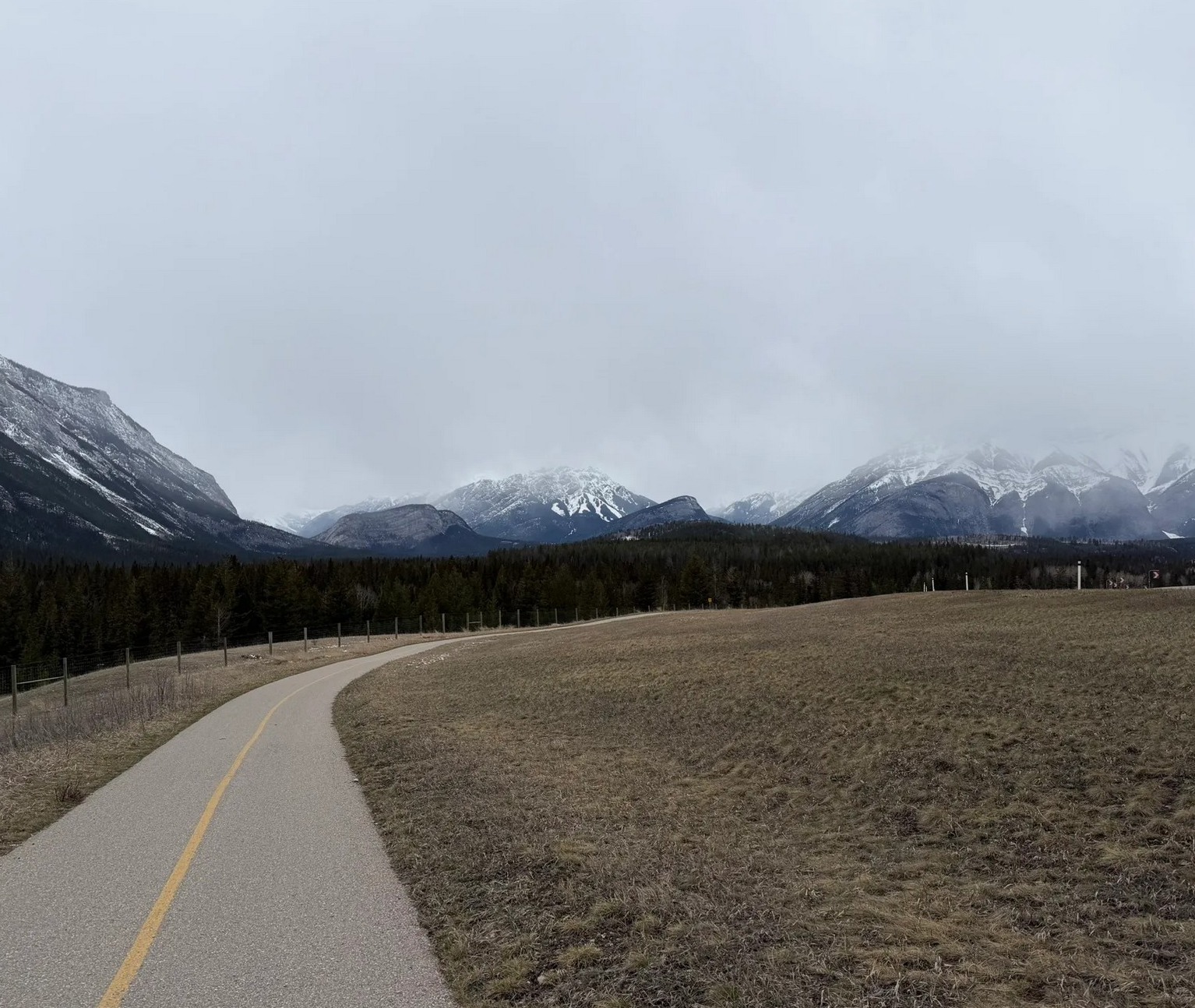
Banff Avenue photo: InSapphoWeTrust, CC BY-SA 2.0. Roam bus photo: Jason Baker, CC BY 2.0. Other route/view images are project-supplied local photos.
The constraints that matter
Count steps between parking, food, washrooms, and the attraction, not only trail distance.
Use official washroom locations before choosing a long walk or lake drive.
Older visitors and tired kids need places to stop before the group is already frustrated.
Wind, smoke, rain, cold summit air, and heat can change the plan faster than the map suggests.
Pick the plan by the person, not the attraction
Start with the person who will make the day fail first. Once that constraint is clear, the right Banff route is usually obvious.
Build around resets, not distance
Use Central Park, Bow River, downtown food, and one playground or paid anchor. The Town describes Central Park as a Bow River area with paved walking, picnic tables, natural playground, washrooms, water bottle fillers, bike repair station, and parking. If the real need is play, use Town playground guidance for Central Park, Birch Avenue, Rotary Park, or Sundance Park.
Reduce transitions and protect seating
Choose one main view and one seated food or coffee chapter. Use downtown, Central Park / Bow River, a museum, Gondola or Hot Springs only when the access path, weather, line, cost, and return route fit the person, not the brochure.
Treat accessibility as a current condition
Use official accessibility guidance before promising a stop. Banff & Lake Louise Tourism says Bow River Trail and other shorter routes can be suitable for wheelchairs, that Roam buses are wheelchair friendly with low floors and fold-out ramps, and that the Visitor Centres can help match current access to hearing, vision, mobility, or cognitive needs.
Save the day before chasing views
If smoke, rain, cold, heat, or low cloud makes the scenic payoff weak, switch to Banff Park Museum, Cave and Basin, food, shopping, hot springs if health/access fits, hotel rest, or a short Central Park/Bow River window when conditions improve.
A practical kids / low-walking route
Use Train Station Public Parking for lower-stress downtown access, Bear Street Parkade when proximity matters, or Roam when the group wants fewer car moves. Town guidance says Banff parking is limited, so do this before everyone is hungry or tired.
Pick a first washroom/change-table zone, then choose the walk. The Town public washroom page is the current source for accessible washrooms, change tables, water bottle fillers, paid showers, and seasonal closures.
Central Park works well when you want a Bow River stroll, picnic tables, a natural playground, washrooms, water bottle filler, bike repair station, and parking in one area. Sundance and Birch-area playground nodes fit when the goal is kid energy release rather than a viewpoint.
Choose one: Bow River/Central Park, Bow Falls if access works, Banff Gondola if weather and budget fit, Lake Minnewanka by car/Route 6, or an indoor/historic backup if weather turns.
For families and older visitors, a predictable meal near the route beats a highly rated restaurant across town. Pair food with parking, washroom access, and the next move before sitting down.
Good-fit activities by visitor need
Use Central Park, Rotary Park, Birch Avenue, Sundance Park, or another Town-listed playground. Check the official parks page because age ranges and seasonal notes can change.
Use the Adventure and Nature Playground at Sundance Park when a playground is the main reset, not just a quick sidewalk break. It has broader play value than a normal small stop, but verify current Town information first.
Choose one anchor with seating and nearby washrooms: downtown/Central Park, a short river walk, Gondola/Upper Hot Springs, or a museum/history stop.
Do not assume every scenic stop is easy. Use official accessibility guidance, parking, washroom, and route pages, then ask visitor staff if the fit is uncertain.
Keep Cave and Basin, Banff Park Museum, shopping, food, hot springs, hotel rest, or a short covered reset as the backup instead of forcing a view-heavy route.
Use an easy walk or one paid viewpoint rather than stacking many stops. Banff & Lake Louise Tourism keeps a current easy walks page to compare options.
Comfort-first route builder
Use Train Station Public Parking for the lowest-stress default, Bear Street Parkade when downtown proximity matters, or Roam when nobody wants to drive between stops. Confirm current parking rules before arrival.
Before the scenic part, anchor the group around a known washroom zone such as the Visitor Centre/downtown core, Central Park, Train Station area, or the attraction you are visiting.
For low-walking days, pick one anchor: Gondola/Upper Hot Springs via the Sulphur Mountain area, Bow River/Central Park, Bow Falls if the group can manage the access, or Lake Minnewanka by car or seasonal Route 6.
Low cloud, smoke, rain, heat, or tired kids can turn a view plan into a food, museum, shopping, hot springs, or hotel-rest plan. Decide the fallback before the group is already exhausted.
What to carry before you leave the car or hotel
Carry them before the main walk or lake drive. A short route can still fail if kids or older visitors get hungry before the next food stop.
Mountain weather can change quickly. Bring layers, sun protection, and a simple rain/cold fallback instead of assuming the forecast will feel the same downtown, by the river, and at the summit.
Know the first and next washroom before starting a longer walk. For families, change tables and water bottle fillers can matter as much as the view.
Know how to stop early: return to the car, board Roam, use a hotel rest, switch to food, or move to an indoor attraction.
Use official accessibility sources
Accessibility fit changes by attraction, vehicle, season, weather, equipment, crowding, and the person's needs. Use the official Banff & Lake Louise accessibility guidance and visitor-centre help as the current source, then choose the easiest route instead of forcing a scenic checklist.
Prioritize one attraction, short walking links, visible seating, nearby washrooms, and fewer transitions between car, sidewalk, bus, and attraction entrance.
Check surface, slope, snow/ice, curb cuts, elevator/ramp details, bus crowding, and whether the person can return by the same route. If the route depends on one elevator, shuttle, or ramp, verify it first.
Use official accessibility guidance and ask visitor staff for the current fit before committing to a noisy, crowded, steep, or weather-exposed stop.
Managed attractions can be easier, but details matter. Parks Canada says Banff Upper Hot Springs has an elevator, ramp access to pool level, accessible change rooms, and an aquatic wheelchair on request; still verify current facility guidance before going.
Photo story still works
A comfort-first day can still make a good movie: arrival, easy view, snack, child reset, older visitor resting with the view, playground, museum, hot springs, dinner, hotel return, or final town walk. The story does not need extreme hiking; it needs sequence, place, and feeling.
Arrival street, Roam stop, parking level, stroller unload, or Visitor Centre / washroom reset.
Central Park, Bow River, playground, easy walk, or one paid view that fits the group.
Food, coffee, snack, ice cream, museum, hot springs, or hotel rest when the day slows down.
Final map recap: the day worked because it was comfortable, not because it checked every famous stop.
Official sources and live links
Hours, prices, transit schedules, parking rules, closures, and ticket availability can change. Use these links as the current source of truth.