Choose the drive by what the visitor needs: Lake Minnewanka for water and family gear, Vermilion Lakes or Mount Norquay for a quick viewpoint, Bow Valley Parkway for a longer corridor, and town/Bow Falls/Surprise Corner when the group needs low-friction scenery. Always check Parks Canada closures, 511 Alberta, wildlife rules, washrooms, food, and return timing before leaving town.
See the route before choosing the drive
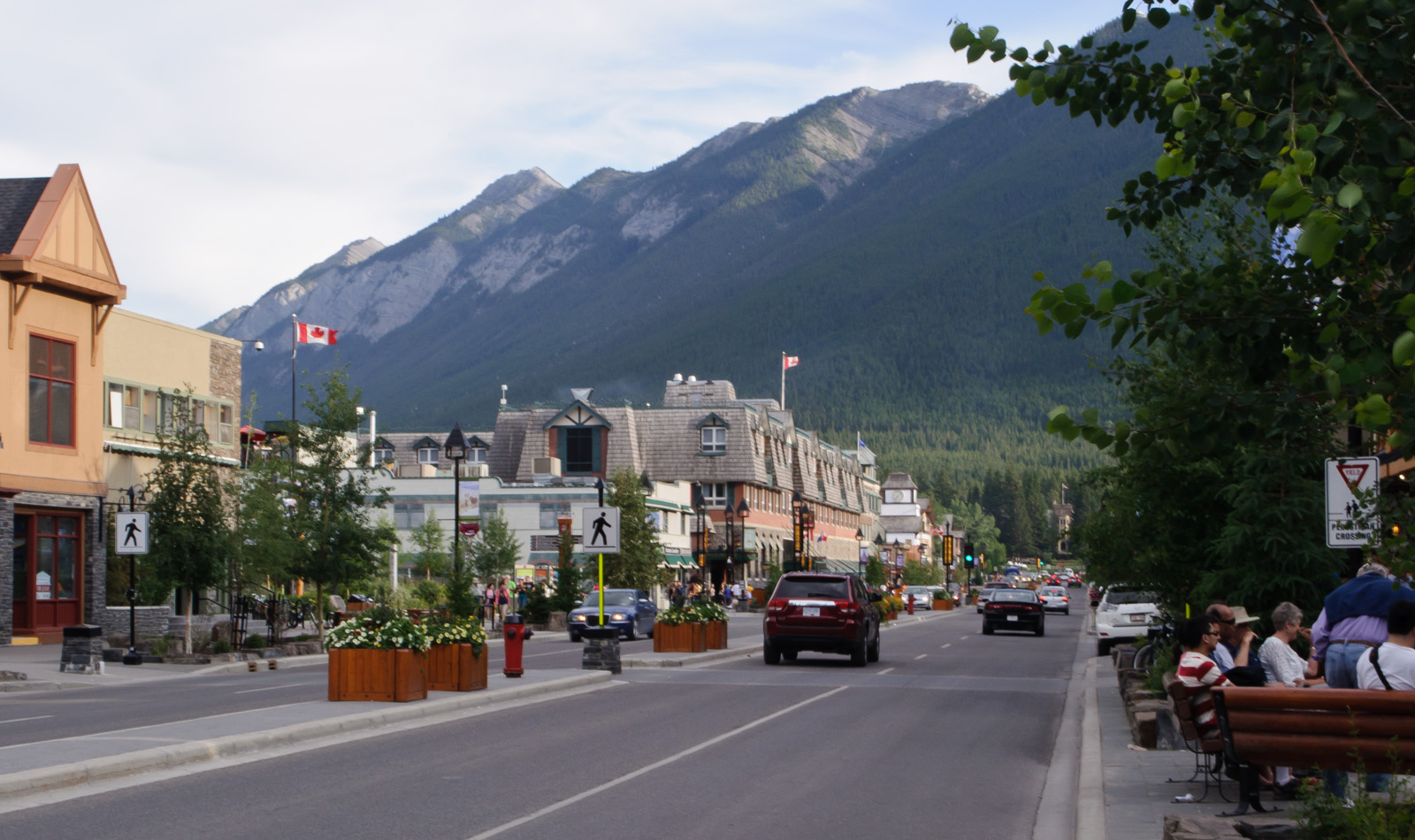
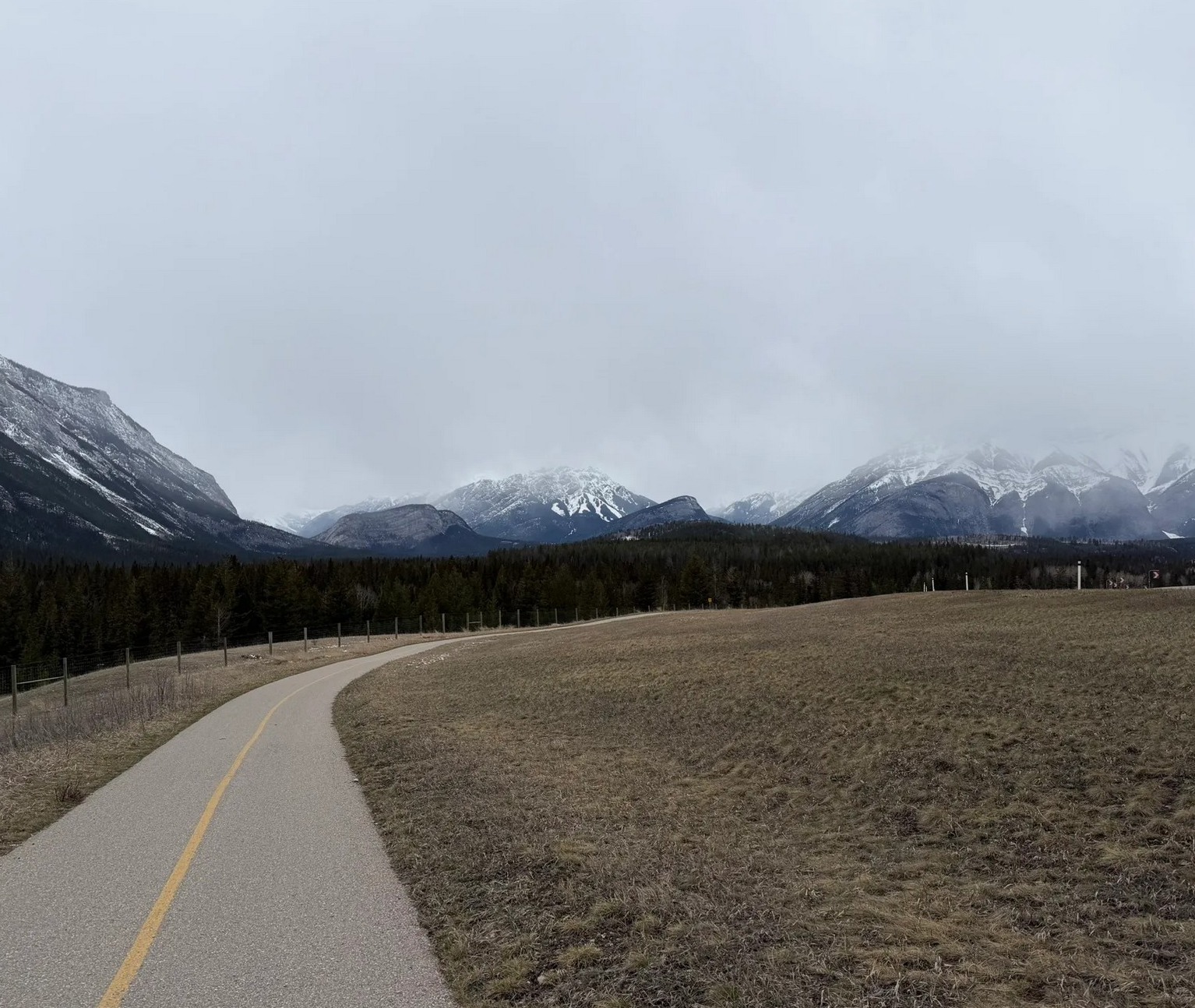
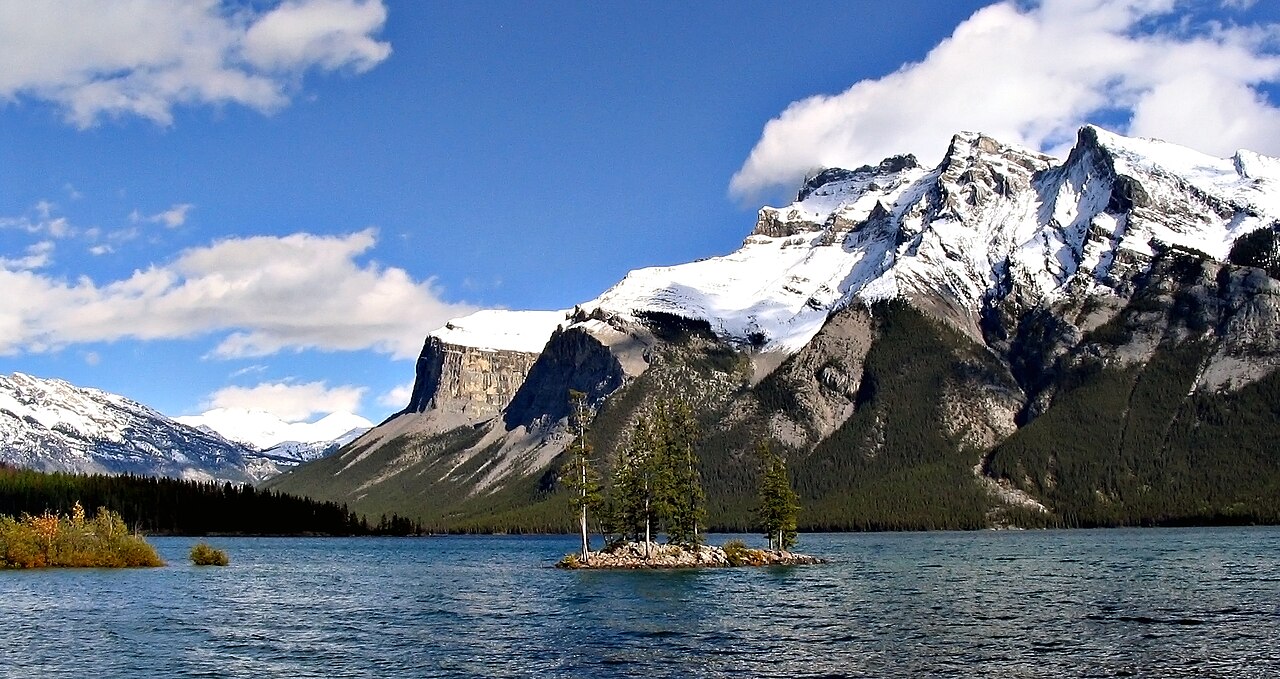
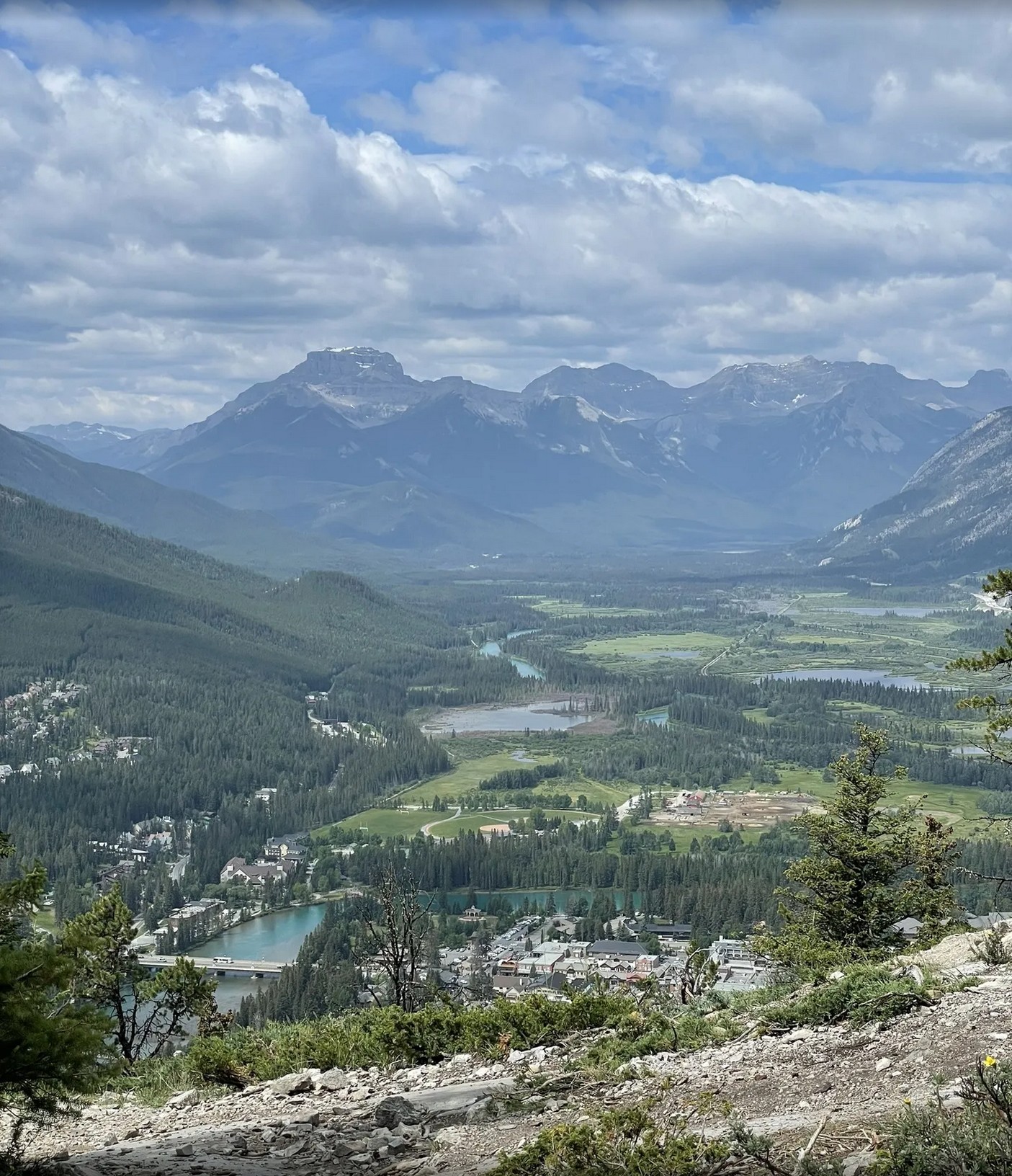
The car should solve a visitor problem, not create one.
Pick a scenic drive only after the group knows the route job: big water, quick overlook, longer corridor, easy town loop, or no-car fallback. Then check current road access and weather before the car leaves Banff.
Visuals: Banff Avenue photo by InSapphoWeTrust, CC BY-SA 2.0 via Wikimedia Commons; Lake Minnewanka photo by Gorgo via Wikimedia Commons, public domain; road and overlook images are project-supplied Canadian Rockies/Banff photos used only for route and return context.
Choose the drive by the job it does
Use this for the big water reveal, family gear, picnic supplies, cruise timing, Two Jack / Johnson Lake add-ons, and a map-story chapter that feels outside town. Check seasonal road restrictions and Route 6 if parking stress is the problem.
Use this when the group has limited time, clear visibility, a sunset/arrival window, or older visitors who need a short car-based view. If smoke or low cloud hides the mountains, switch to town, food, museum, or hot springs.
Use this as a longer scenic corridor toward Johnston Canyon / Lake Louise style plans, not as a casual ten-minute detour. Seasonal travel restrictions and vehicle closures can change the whole plan.
Use this when the group wants scenery but still needs downtown food, washrooms, parking, or a short return. It is often better for tired families than adding a long road chapter.
If the car is the source of the problem, do not solve a scenic day with more driving. Build around Roam, downtown walking, Route 1, Route 6, or one reliable parking anchor.
If the issue is a ticket on the windshield, injury, lost item, waste, smoke, wildlife, or a closure, route to the civic/safety node before adding another drive.
Three practical driving scripts
Park/arrive, use a washroom, choose Vermilion Lakes or Mount Norquay only if visibility is clear, take one wide view and one human-scale frame, then return to town for food or the next planned attraction.
Before leaving town, solve washrooms, snacks, layers, waste, and parking/Route 6. Stop for one water reveal, one people moment, and one texture shot. Do not turn a lake drive into a late dinner problem.
Start with Parks Canada restrictions and 511 Alberta. Then decide whether Johnston Canyon, Lake Louise, wildlife-safe viewing, food, washrooms, and return timing actually fit the group. If the road rule does not fit your day, use a different Banff node instead.
Closures, restrictions, smoke, and what can change
Scenic-drive pages age badly when they copy last year's road status. Use this page for decision logic, then open official live sources before driving.
Parks Canada posts seasonal travel restrictions and public-vehicle closures for sections of the parkway. Check the official page before building a Johnston Canyon / Lake Louise corridor day around it.
Parks Canada closure pages list seasonal vehicle restrictions such as the western section of Lake Minnewanka Loop and the Fairmont Banff Springs Golf Course Road. Verify current access before using an old map route.
Use 511 Alberta for current road conditions before leaving Banff, especially after snow, rain, construction, incidents, or wildfire/smoke events.
If the wide view disappears, do not force a viewpoint day. Switch to food, hot springs, museum, shopping, town walk, or a close-range Photo Story route.
Washrooms, food, fuel, waste, and group comfort
A scenic drive fails when basic needs are treated as afterthoughts. Before the car leaves town, assign the boring tasks: washroom, food, water, layers, phone battery, garbage/bottle plan, and a return time.
Use a downtown or known facility before a lake or viewpoint drive if kids, older visitors, cyclists, or anxious travelers are in the group.
Buy snacks or picnic supplies before leaving the dense service area. Keep food secured and do not leave scented waste loose in the car or at a pullout.
For ordinary waste, use official bear-safe bins or zero-waste stations. For deposit bottles/cans or awkward waste, use the waste node instead of dumping beside a public bin.
Do not let a scenic drive become the after-dinner return plan if alcohol is involved. Put the no-driving plan before the restaurant choice.
Wildlife and roadside behavior
Wildlife can make a drive memorable, but it also creates the fastest path to unsafe roadside behavior. A good Banff scenic-drive plan tells people what not to do.
Use Parks Canada wildlife guidance as the rule source. Keep distance, keep pets controlled, and never use food to make a better photo.
If vehicles stop unpredictably, keep the group calm, obey road rules, and move on when it is not safe to stop. A zoomed/cropped photo is better than a dangerous shoulder stop.
For bear, cougar, wolf, or coyote sightings/encounters, use Parks Canada Banff Dispatch guidance from the emergency-alerts node. Call 911 for immediate danger.
If wildlife is distant and safe, capture the road context, not just the animal. The story is "we stayed back and saw the valley alive."
Turn the drive into a map-aware story
The car becomes the camera rail. The output should not be ten similar windshield photos; it should show how the route changed: town start, road curve, first reveal, water or overlook, human reset, and return.
Hotel door, parking lot, Visitor Centre, coffee, or grocery stop. This proves where the day began.
Use one road/curve/forest frame to show movement. If photos have GPS, the story can snap them to the drive; if not, the user chooses Lake Minnewanka, Vermilion, Norquay, Bow Valley Parkway, or town loop.
Wide water, town-overlook, mountain corridor, or river-side reveal. Keep one rider/person/car detail for scale when it helps.
Snack, jacket, bathroom, changed plan, waste cleanup, kid break, or dinner return. This makes the memory movie feel true instead of like a brochure.
Official/current links to open before driving
Use these as the live truth layer before you leave town. This page is the planning layer; official sources decide current road access, closures, route schedules, and safety rules.
Parks Canada closures 511 Alberta Roam Route 6
Banff & Lake Louise scenic drives | Drive Lake Minnewanka Loop | Bow Valley Parkway
Official sources and live links
Hours, prices, transit schedules, parking rules, closures, and ticket availability can change. Use these links as the current source of truth.