Use Cascade Gardens when you are already near downtown, Silver Dragon/Spray Avenue, Central Park, Bow River Bridge, the Visitor Centre, or the gondola/hot-springs road. It works best as a short garden chapter: check weather and daylight, use a known washroom first if needed, walk the garden paths, take one mountain-street frame back toward town, then decide whether the next move is dinner, hotel, Route 1, hot springs, or a postcard/story ending.
See the garden before you route around it
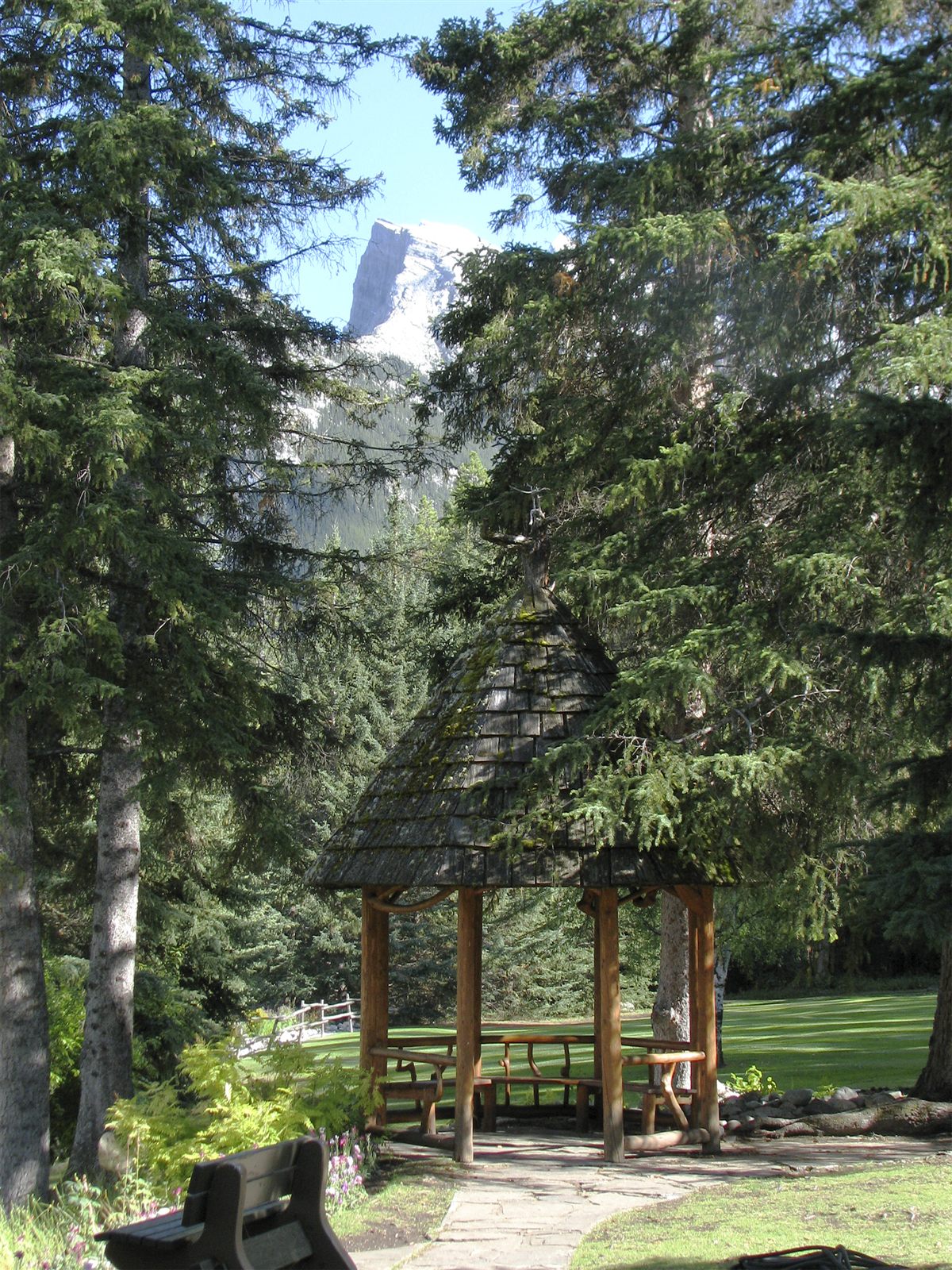
Low-friction scene
Make the visitor feel the stop before they read the route
A map pin only answers "where." The visitor still needs "why would I go?" This preview uses registered, licensed Cascade Gardens images instead of copied Google user photos, then links out to the live place page for current traveler photos and directions.
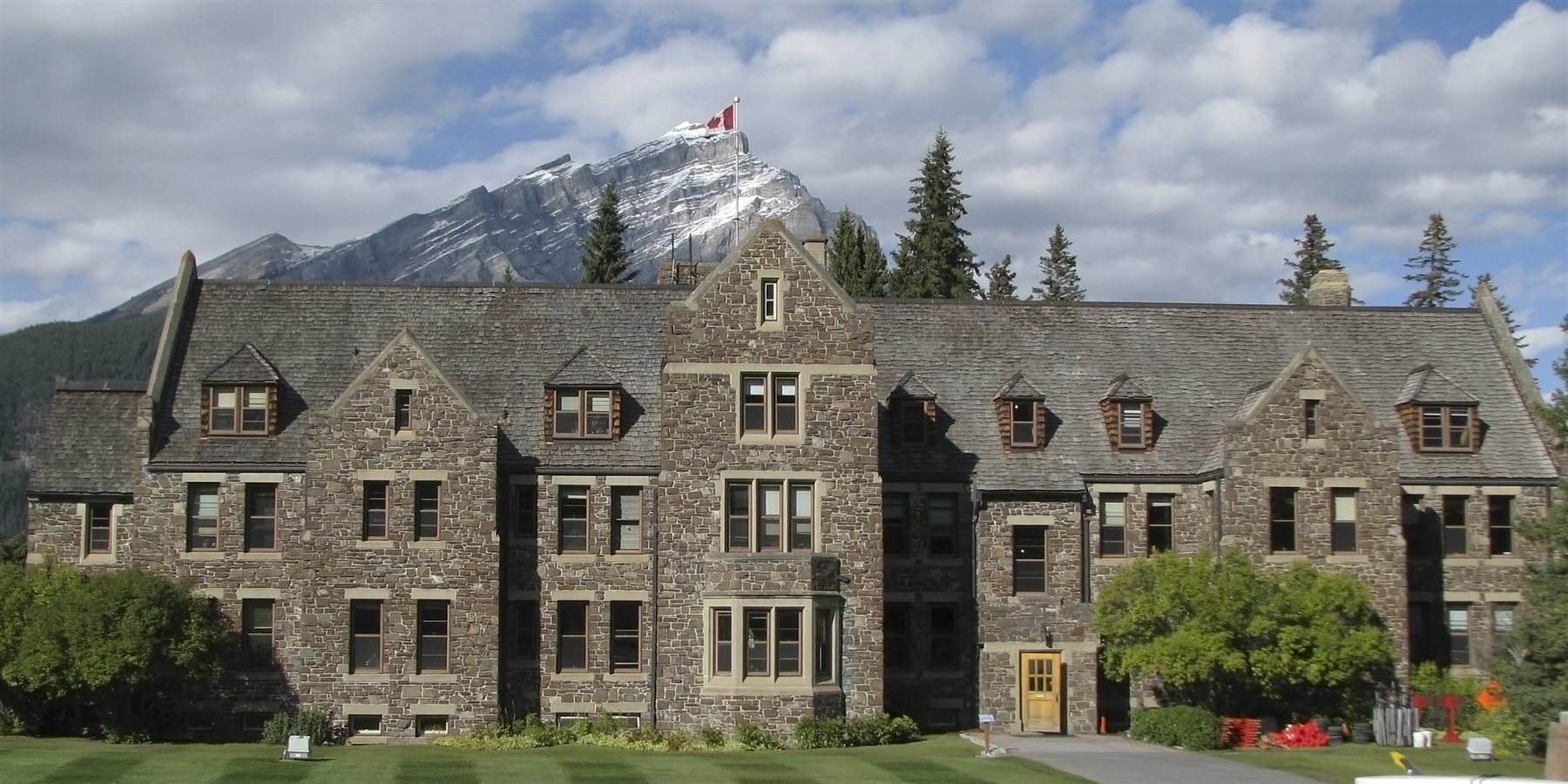
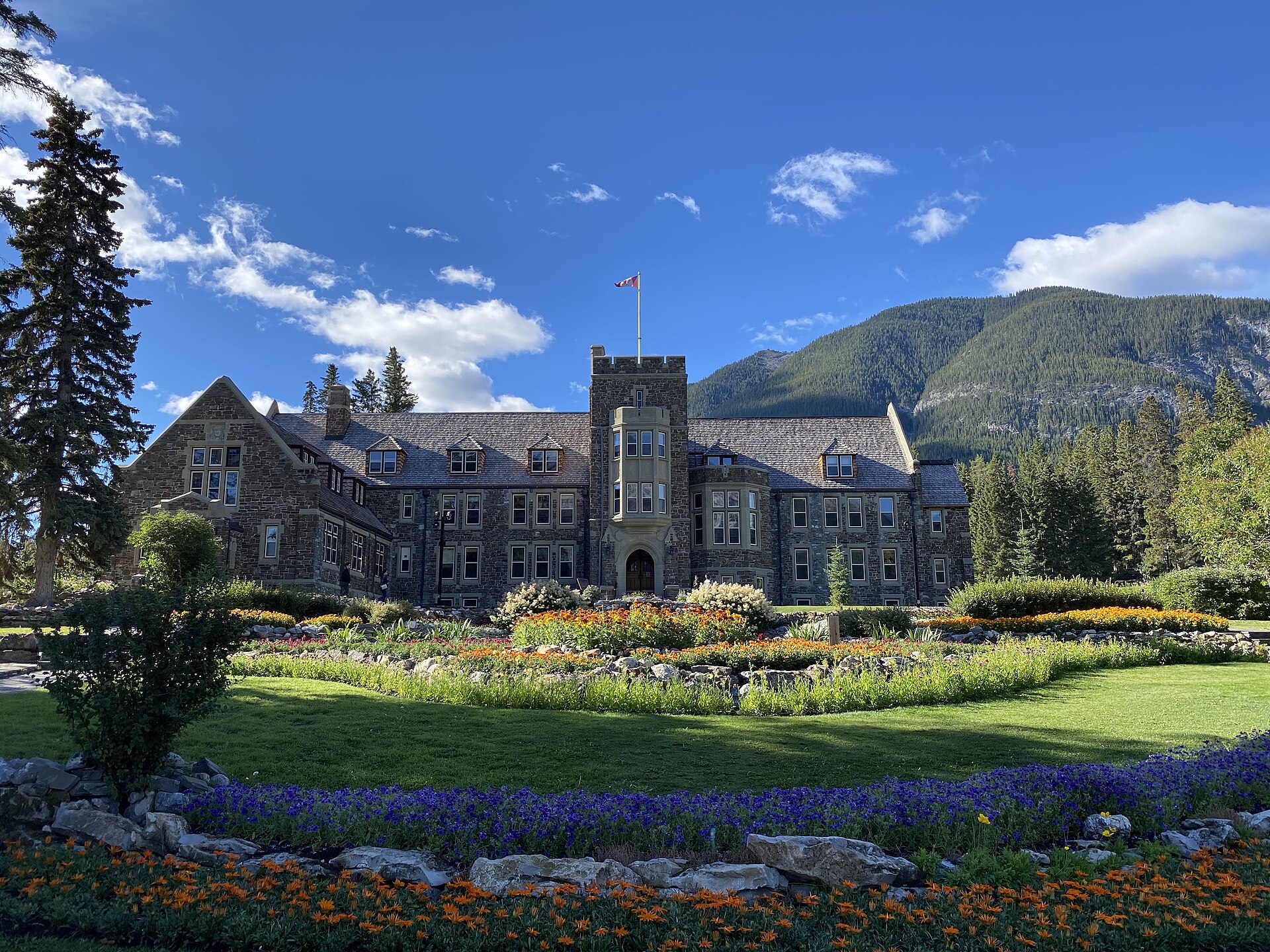
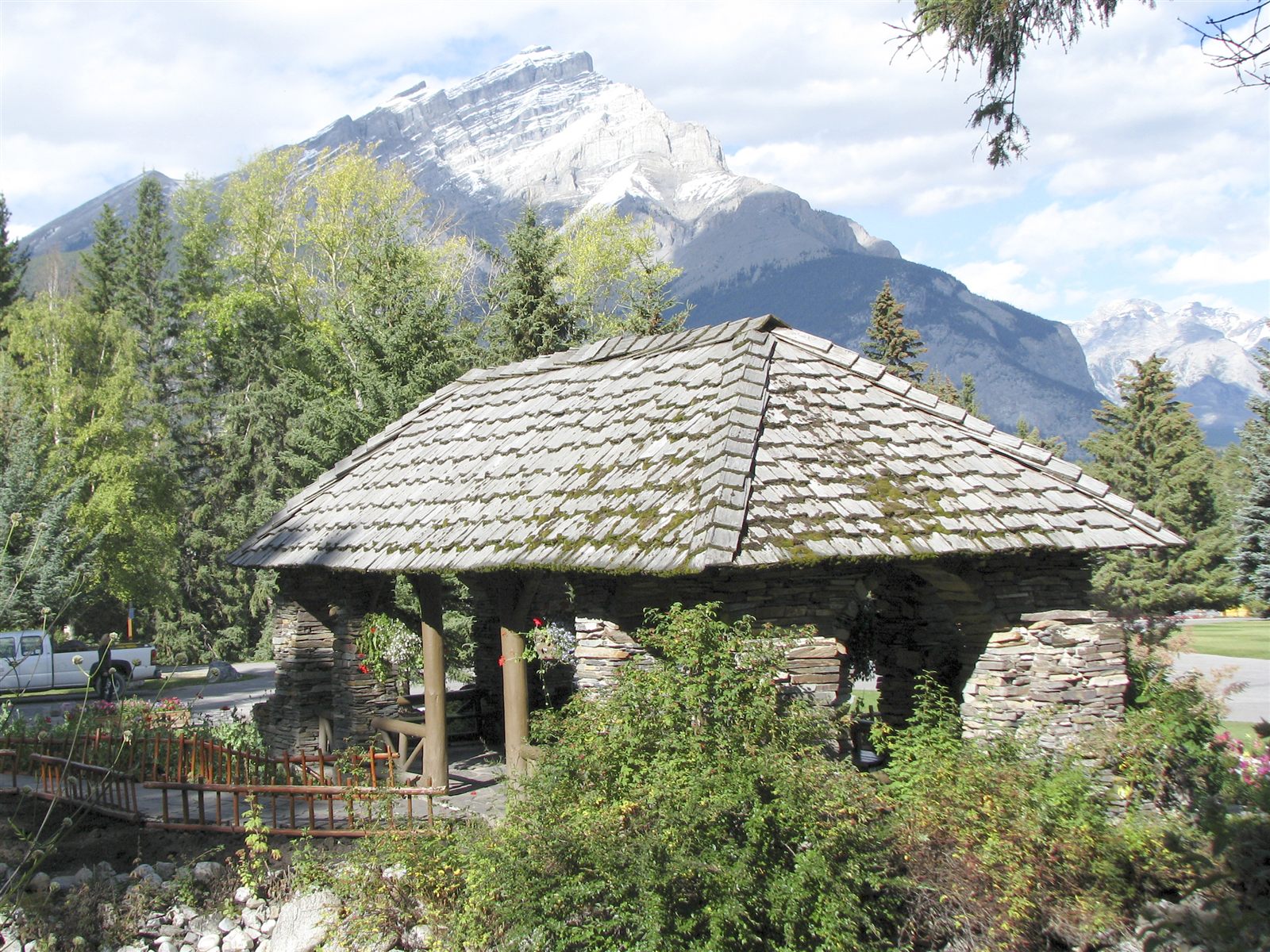
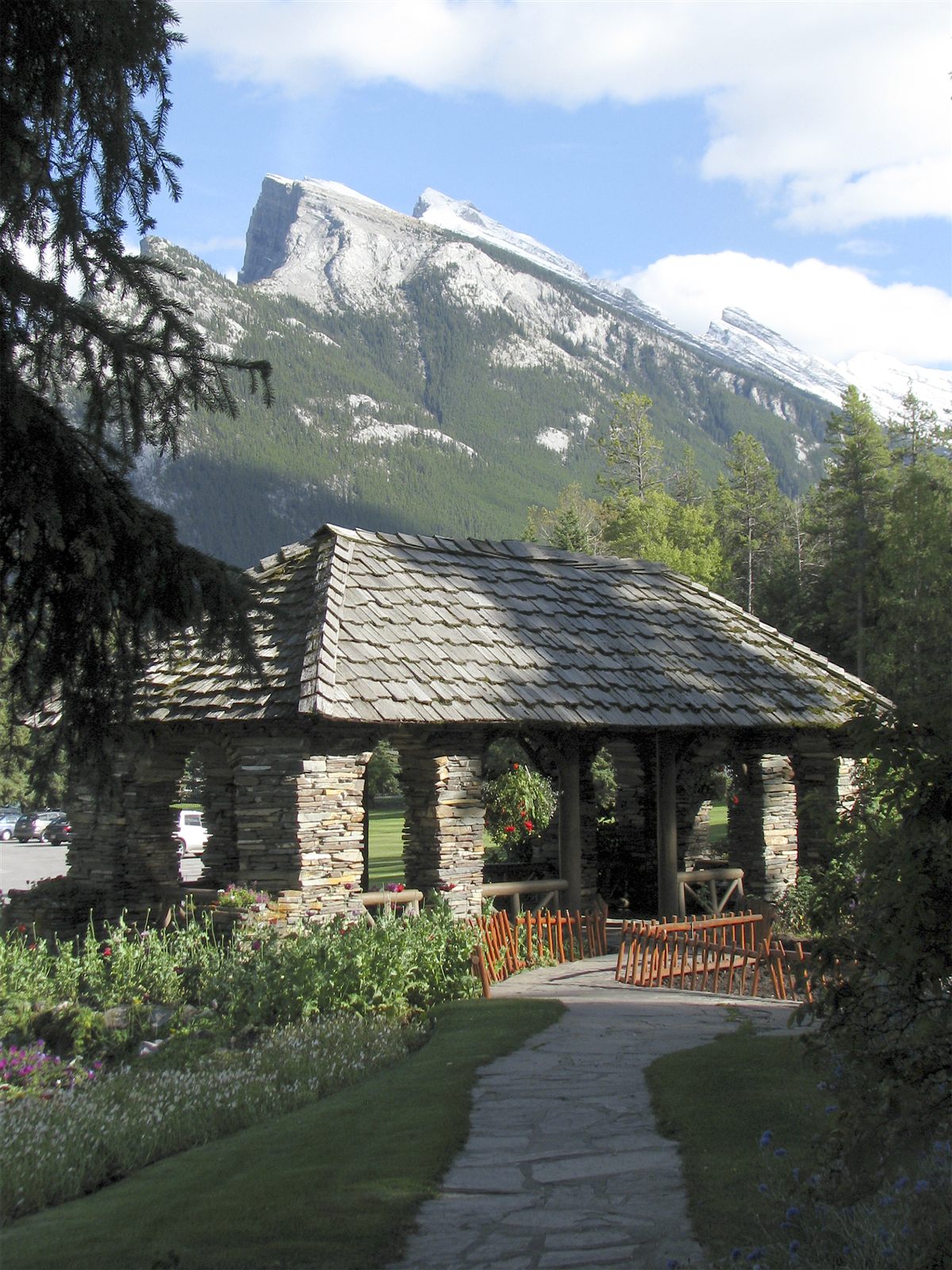
Garden colour, stone paths, the Parks Administration Building, Cascade Mountain, and a calmer view back toward town.
After dinner, older visitors, tired kids, rainy-day pivot, postcard ending, or a close-range Photo Story chapter.
Daylight, weather, current footing, washroom needs, and whether flowers/colour match the season.
When the group needs food, bathrooms, shelter, or a timed ticket more than another walk.
Cascade Gardens photos: Adam Bishop, CC BY-SA 4.0; David T. Macpherson, CC BY-SA 3.0, via Wikimedia Commons.
Why this node matters
Many Banff guides make visitors choose between big paid attractions and scenic drives. A real day also needs soft transitions: the hour after dinner, the pause before a bus, the place older visitors can enjoy without committing to a hike, the short walk when clouds make the gondola less compelling, or the final scene before heading back to the hotel.
Banff & Lake Louise Tourism describes Cascade of Time Garden as an easy, less-than-one-hour experience with terraced gardens, stone pathways, cascading ponds, gazebos, and a view back toward downtown with Cascade Mountain over Banff Avenue. That makes the place useful as a route connector between town, river, dinner, photos, and the Sulphur Mountain side of the map.
Use this page when the visitor is not asking "what is famous?" but "what can we do now without making the day harder?"
How to fit it into a real Banff route
Use Banff Visitor Centre, Banff Avenue/Bear Street, Central Park, or the Bow River edge as the orientation point. If someone needs a washroom, use the Town public-washroom page before walking uphill or across the bridge.
After a Chinese sharing meal on the Spray Avenue side, a Bear Street dinner, or a downtown dessert/postcard stop, the garden can become the calm walking chapter instead of another search for an attraction.
Walk paths, benches, ponds, flowers when in season, the Parks Administration Building setting, and the look back toward town. Keep expectations honest in winter, smoke, rain, or low light.
Return to downtown/hotel, continue toward Bow Falls/Fairmont side, use Route 1 for the gondola or hot springs, or make the garden the final memory frame.
Choose by what the group needs now
Cascade Gardens is most useful when the visitor chooses the job first: rest, photo, after-dinner walk, bad-weather backup, or a link to the Sulphur Mountain side.
A calmer walk after food
Use this after Silver Dragon, Bear Street, Banff Avenue, steak dinner, ramen, dessert, or coffee when the group wants movement but not another drive. Keep the route short, know the walk back, and solve the no-driving-after-drinks plan before dinner if alcohol is involved.
Photo logic: food/table frame, street frame, garden path, final mountain view back toward town.
Shorter, slower, and easier to stop
Use this when the group includes older visitors, tired kids, or people who need a shorter scenic walk. Do not promise it as barrier-free in every season or every path condition; use it as a low-effort option, then let the group turn back early.
Comfort logic: washroom first, water layer check, daylight check, one clear return path.
Use the garden as a story chapter
Use the garden when the memory story needs a softer scene: path, stonework, flowers or winter texture, hands on a railing, a quiet bench, the administration building, and the view back toward the town/mountain line.
This is stronger than another generic selfie because the map can say: downtown food, garden walk, final view, hotel return.
When the big view plan is weak
If clouds, smoke, wind, or tired-group energy makes a summit or lake plan less attractive, switch to a close-range story: downtown, coffee, museum, garden, Bow River, and dinner. In winter or icy weather, shorten the route and verify current conditions.
Weather logic: close details beat distant views when the sky is poor.
Link downtown to gondola / hot springs logic
Use the garden area as a mental transition toward the Sulphur Mountain side, not as proof that the gondola or hot springs must happen. Open Route 1 and the operator page before buying or timing anything.
Route logic: garden first if the group needs a short walk; gondola/hot springs only if weather, budget, hours, and return path still fit.
Photo and short-video cues
Start at Banff Avenue, Bow River Bridge, Silver Dragon/Spray side, or the first visible garden entrance. This tells the viewer where the walk begins.
Use path curves, stone steps, railings, ponds, gazebos, flowers when present, the Parks Administration Building, or a view back toward town. Keep one person small in the frame for scale.
Capture the reason for the stop: tired group recovering, after-dinner calm, rain break, older visitor enjoying a short walk, or someone writing a postcard.
Show the next move: downtown lights, hotel walk, Bow River, Route 1 stop, hot springs towel, or a mailed card. This turns the garden into a chapter, not an isolated pretty shot.
For Photo Story Studio, label the garden photos with confidence honestly. GPS is high confidence. If the phone has no GPS, ask the visitor to pick "Cascade Gardens / downtown garden walk" from the route nodes before export.
What to check before sending someone there
- Season: flowers and garden color vary. The place can still work as a walk in colder months, but do not sell winter as the same visual experience as summer.
- Daylight: the best story use is when the visitor can still see path, building, and mountain context. Low light may be better for a quiet ending than for scenery.
- Mobility: treat it as easy/low-effort, not automatically suitable for every mobility need. Let visitors use shorter paths and turn around early.
- Washrooms: solve washrooms before the walk when traveling with kids, older visitors, or urgent needs. Central Park and other public washrooms are documented by the Town of Banff.
- Weather: wind, rain, ice, smoke, and cold can change the value of the stop quickly. Use downtown or museum backups when the path stop is no longer comfortable.
- Routing: use a live map for the exact entrance, route, and return. Do not rely on memory if the group is tired or the weather is poor.
Open these before relying on details
This page explains the visitor logic. Use current sources for live routes, washrooms, and exact walking directions.
Cascade Gardens overview Central Park facilities Public washrooms Roam Route 1
Official sources and live links
Hours, prices, transit schedules, parking rules, closures, and ticket availability can change. Use these links as the current source of truth.