Use Lake Minnewanka when you want the big mountain-water scene near Banff, about 10 km from Banff. Treat it as a 1-3 hour lake chapter: shoreline photos, picnic/reset, cruise option, or Route 6 no-car access when operating. Before leaving, solve parking, washrooms, food/water, layers, water-safety rules, and a backup stop such as Two Jack Lake, Johnson Lake, or Cascade Ponds.
See the Lake Minnewanka day before you commit
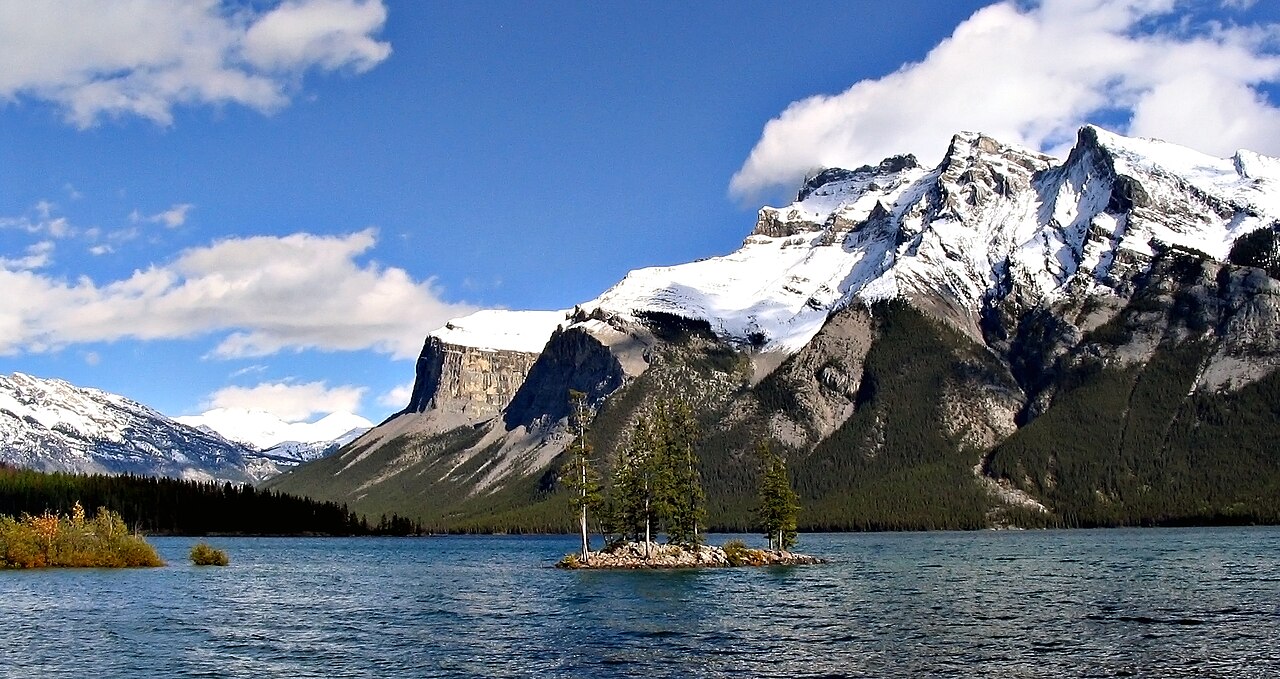
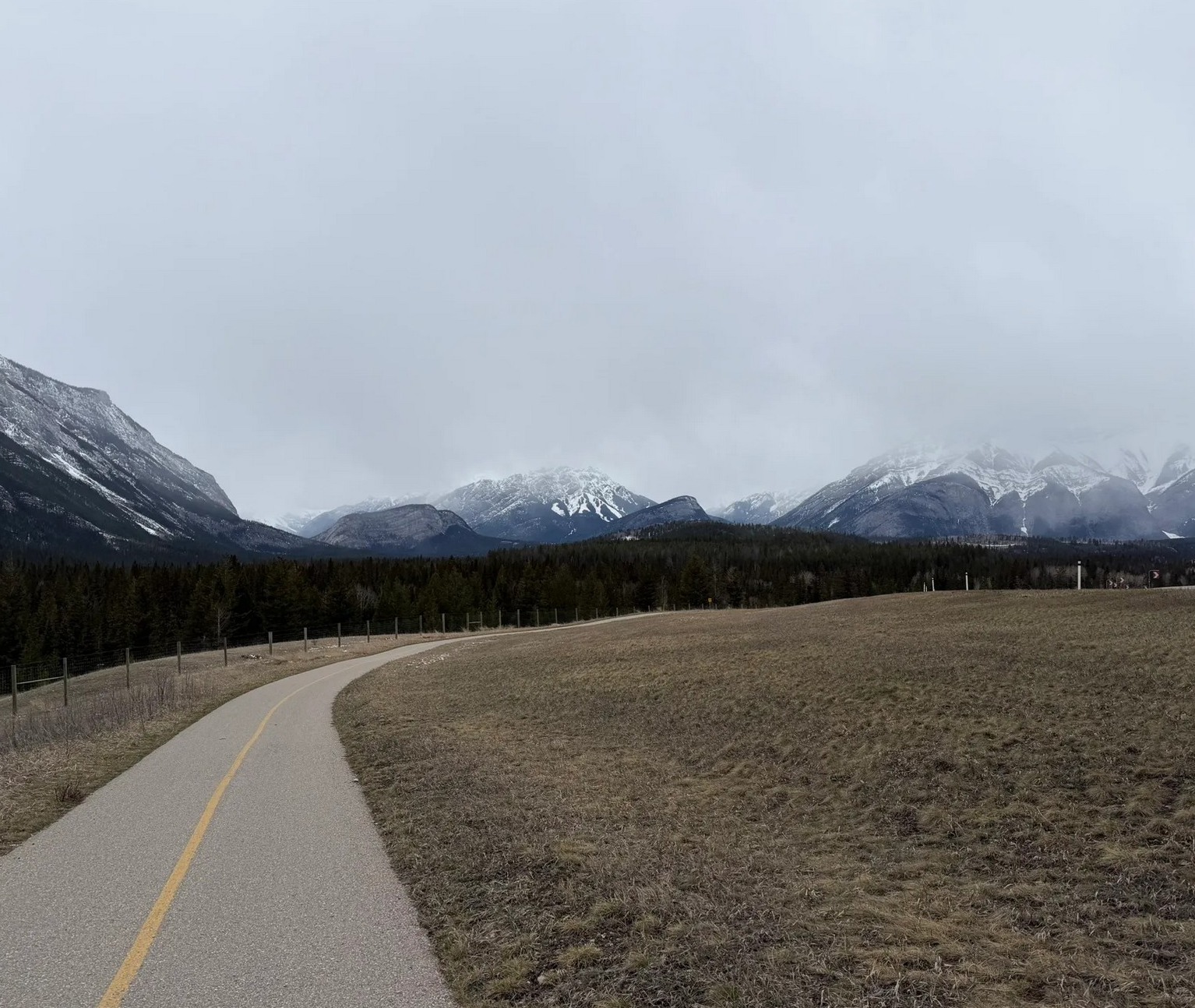
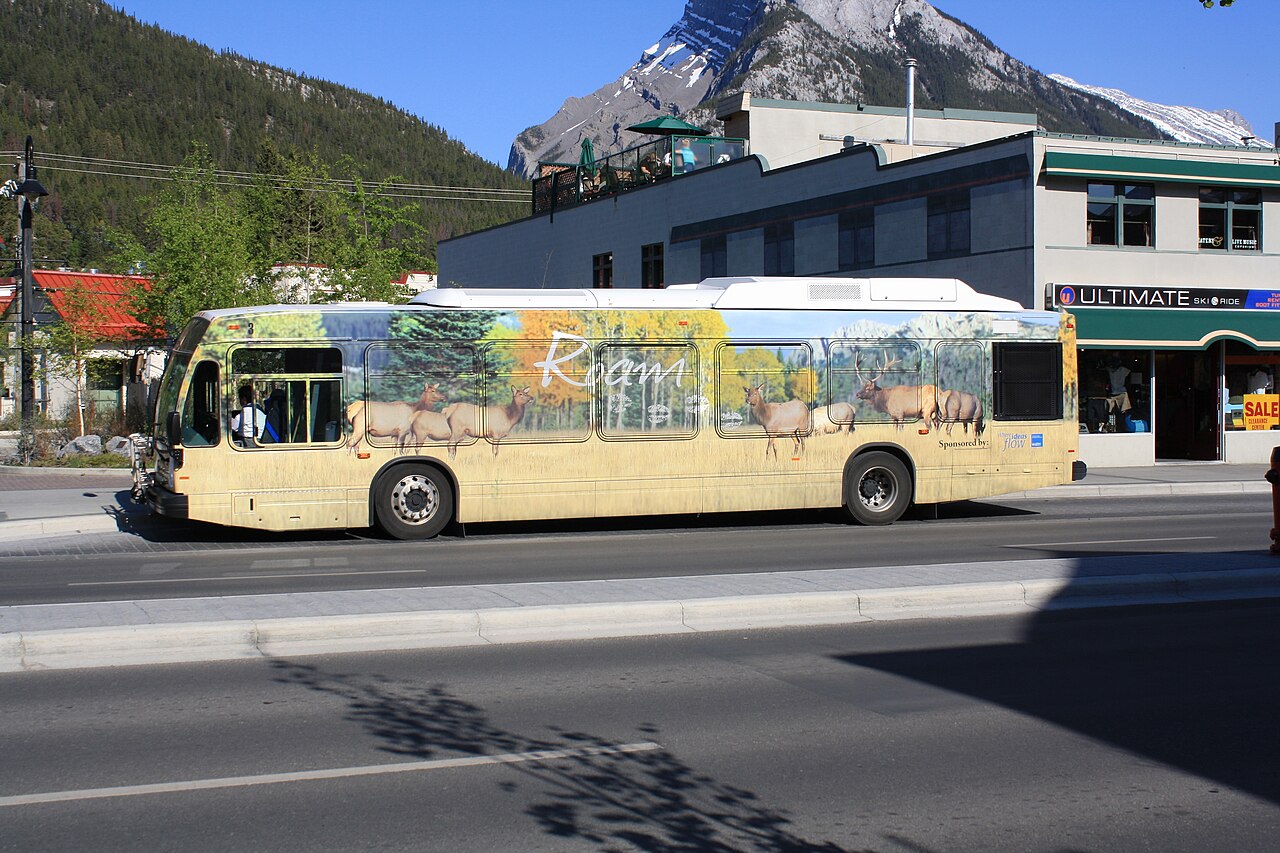
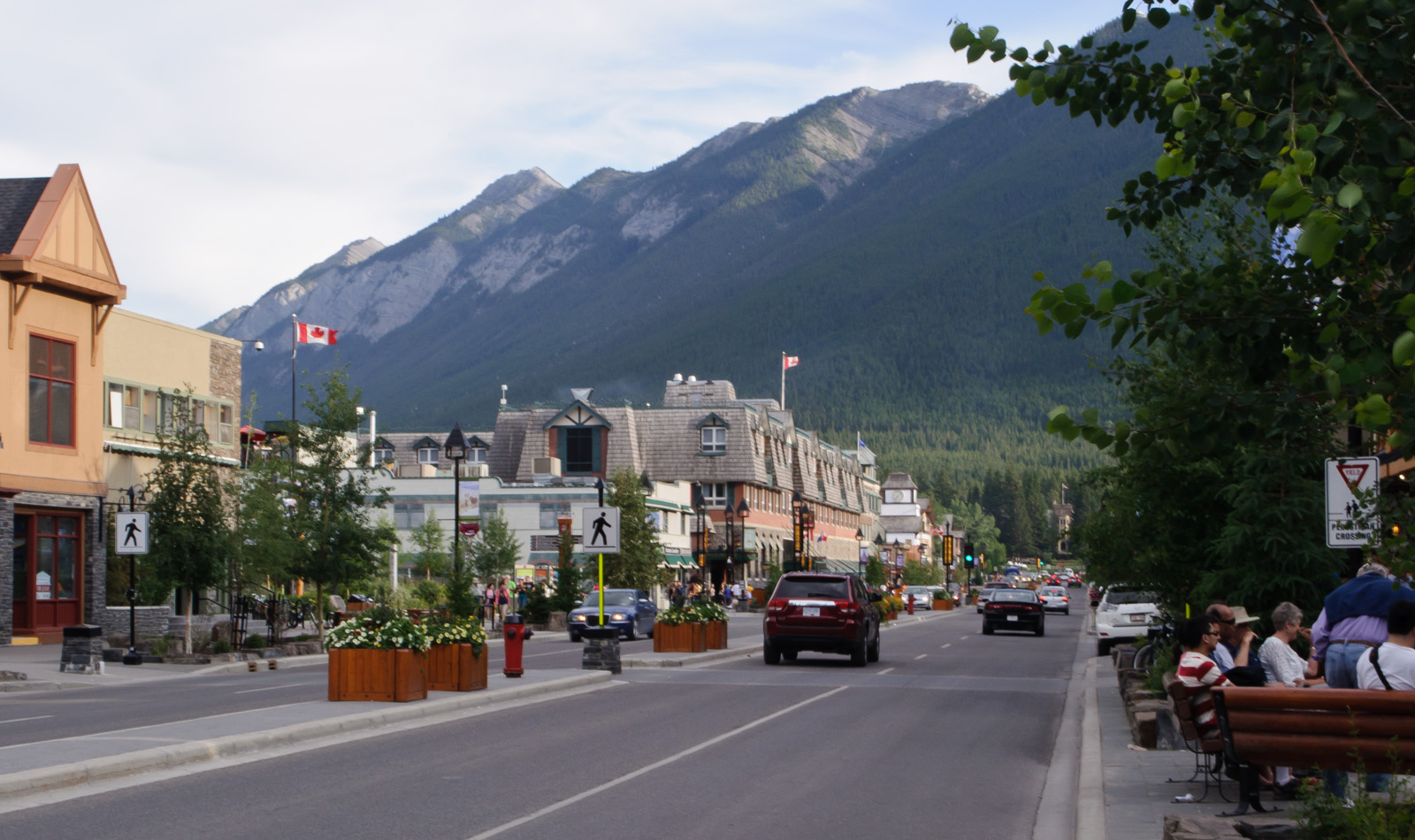
This lake works best when the visitor can picture the whole sequence: leave Banff with food and layers, reach the big water reveal, choose cruise/shoreline/Route 6, then return to town before dinner or weather makes the day feel rushed.
Lake image: Gorgo via Wikimedia Commons, public domain. Bus image: Jason Baker, CC BY 2.0. Banff Avenue image: InSapphoWeTrust, CC BY-SA 2.0.
One-glance answer: why go, then how
For the big blue-water and mountain scene close to Banff. It gives the day a clear visual chapter: lake reveal, shoreline pause, people-for-scale photo, or cruise moment.
Plan it as a short lake move from Banff: about 10 km from Banff, usually a 20-25 minute drive or Route 6 transit chapter when access and service are normal.
Use 1-3 hours for a normal visit: quick photos and shoreline, picnic reset, cruise timing, or a lake-loop stop before returning for dinner.
Use a washroom, bring water/snacks/layers, check parking or Route 6, and decide whether this is a shoreline, picnic, cruise, or backup-plan visit.
This is the reusable pattern for every destination node: show the emotional reason first, then make the practical chain obvious enough that a visitor or an AI crawler does not need to rebuild the trip from scattered tabs.
How to get there from Banff
Best for flexible stops, family gear, picnic supplies, photography, Johnson Lake / Two Jack Lake add-ons, and weather changes. The risk is parking stress in peak season.
Use seasonal Route 6 when you want Lake Minnewanka without moving the car again. The route page describes the Lake Minnewanka corridor and stops such as Cascade Ponds, Johnson Lake, Two Jack Lake, and Lake Minnewanka. Verify today's service dates and schedule before relying on it.
Confirm park pass, washroom, snacks, layers, and return time before leaving town. Once you are on the corridor, a missing snack, cold kid, or urgent washroom becomes harder to solve.
If the hotel is on Tunnel Mountain or outside the town core, decide whether driving to the lake or using Roam through downtown creates less friction. Do not combine a lake day with a second downtown parking loop unless needed.
What kind of Lake Minnewanka day is this?
Use this when the group wants the big lake view but not a full lake day. Get the wide water shot, walk a short shoreline section if conditions fit, then return before parking or hunger becomes the story.
If the cruise is the anchor, check the official Lake Minnewanka Cruise page for operating dates, ticket availability, timing, and weather/boarding rules before building the rest of the day around it.
Buy food before leaving town, keep wildlife attractants secured, use official bins, and keep a backup for wind, cold, smoke, or full parking. Cascade Ponds or Two Jack can become the softer family chapter.
Do not assume every lake activity is allowed. Parks Canada water activity rules and fishing rules are the source of truth, especially around inspections, permits, bait bans, and Lake Minnewanka's current restrictions.
Parking, crowds, and timing
Lake Minnewanka can look simple on a map and still become the hardest parking stop of the day. Treat the lake as a timed chapter, not an unlimited "we will just go later" stop.
Go earlier, later, or use Route 6 when operating. If the lot is full, do not keep circling with kids, food, or a cruise departure time in the car.
The lake can still work as a moody story scene, but if visibility is poor, shorten the visit and move the main day toward hot springs, museum, food, or downtown walking.
Bring layers and a return plan. Afternoon wind, cold water, full lots, and tired kids can make a relaxed lake idea feel longer than expected.
Set a leave time before the first photo. Dinner reservations and alcohol/no-driving plans should not depend on a perfect lake return.
Washrooms, food, layers, and cleanup
Before leaving Banff, solve the boring needs: washroom, water, snacks, layers, battery, and waste plan. Those are what keep the lake scene from turning into a problem scene.
Check current official facility guidance before counting on a specific stop. If anyone is uncertain, use a town washroom first.
Buy simple picnic food and water in town. Keep food secured and never leave food or garbage loose at the lake, trailhead, or parking area.
Mountain lakes can feel cold even when the town is warm. Bring layers and avoid turning a photo stop into a swim or paddle plan unless rules, weather, and gear all line up.
Pack out food waste and deposit containers. Use the waste node for bottles, garbage, awkward waste, and wildlife-safe cleanup.
Water, boating, paddling, and fishing
Lake Minnewanka is where generic lake advice gets visitors into trouble. Parks Canada water activity rules, inspection requirements, and fishing rules change the plan. Do not rely on an old blog or a social video.
Under current Parks Canada guidance, Lake Minnewanka is a Special Tactics Zone and personal paddling plus large inflatable watercraft are prohibited there. Use the current Parks Canada water activity page before loading gear.
Use the official cruise page for current operations, tickets, and restrictions. A cruise day is a booking/timing problem, not only a scenery problem.
Use Parks Canada's fishing page for licence, permit, season, bait, and waterbody restrictions before planning fishing into the day.
Keep the plan conservative. Cold water, wind, rocks, kids, and wildlife-safe food handling matter more than getting one dramatic clip.
Photo Story Studio beat
Minnewanka works as the "wide water reveal" chapter in a Banff memory movie. The best version is not twenty similar lake shots; it is a short sequence: town start, route line, first water reveal, one human moment, one texture shot, and the return.
Use downtown, hotel, or parking lot as the first map marker. Show the group leaving town with the lake as the reason.
Shoot wide enough to show lake, mountains, and sky. Keep one person small in the frame for scale, or keep the frame empty if the weather is dramatic.
Picnic, jacket going on, kids looking at the water, cruise boarding, or the group deciding to shorten the visit because of wind. That is what makes the story feel real.
End with dinner, hot springs, downtown, or a quiet drive back. The lake becomes part of the day, not a disconnected scenic postcard.
Official/current links to open before leaving town
Use this page to choose the kind of lake chapter. Use the official links for the current operating details: Route 6 service dates, cruise operations, water activity rules, fishing rules, and tourism guidance.
Official sources and live links
Hours, prices, transit schedules, parking rules, closures, and ticket availability can change. Use these links as the current source of truth.