Choose the feeling first: big lake view, swim attempt, picnic reset, paddle plan, or easy shoreline photo. Then check the current Parks Canada water zone before packing gear. Lake Minnewanka is the big scenic and cruise node, while Johnson Lake and Two Jack Lake are better fits for casual swim or paddle plans when conditions, parking, and safety line up.
See the lake day before reading the rules
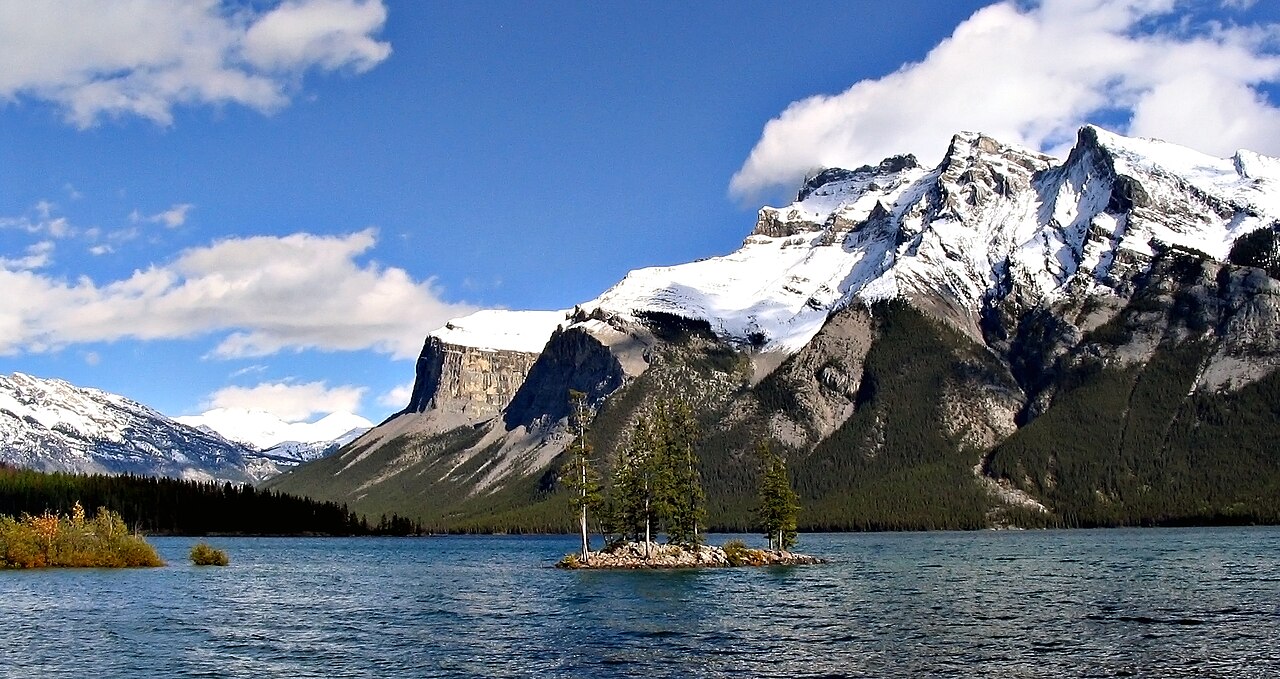
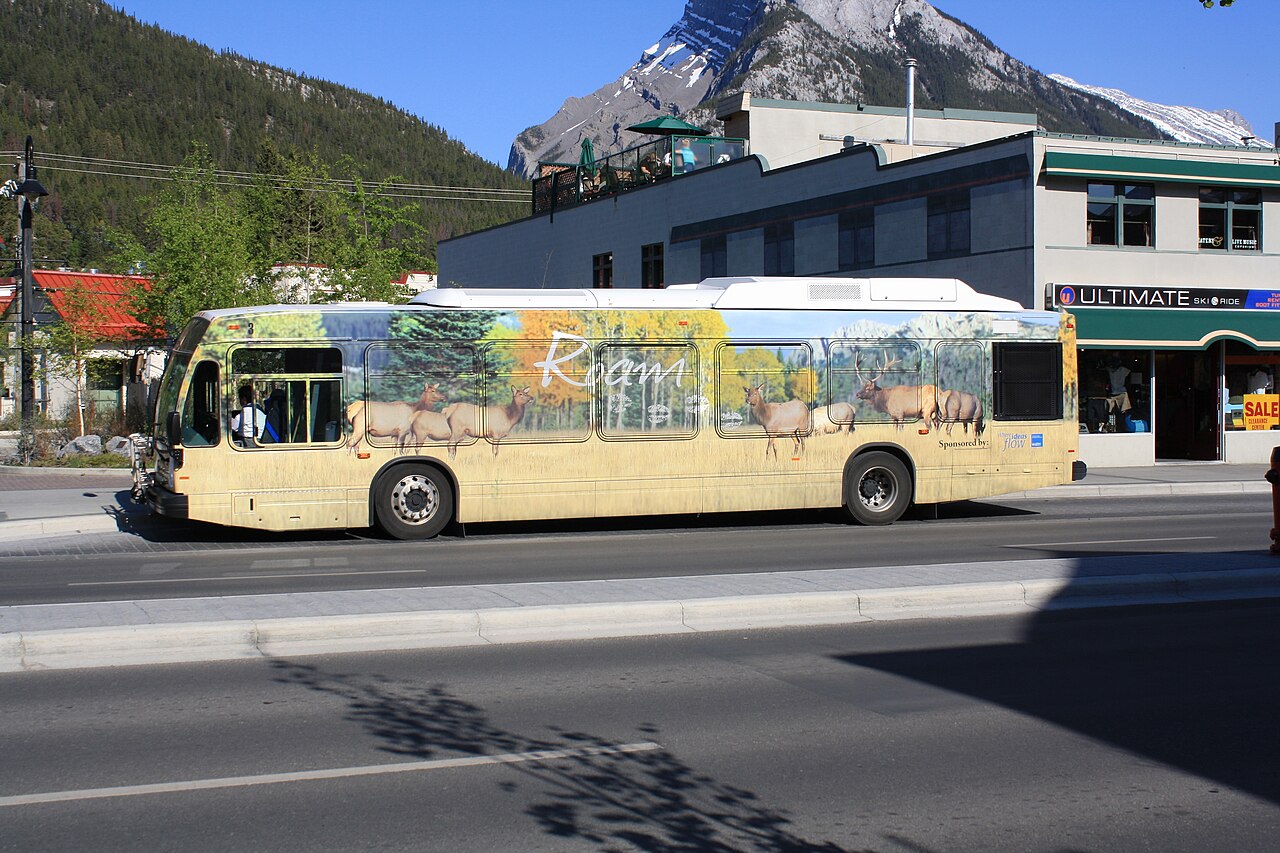
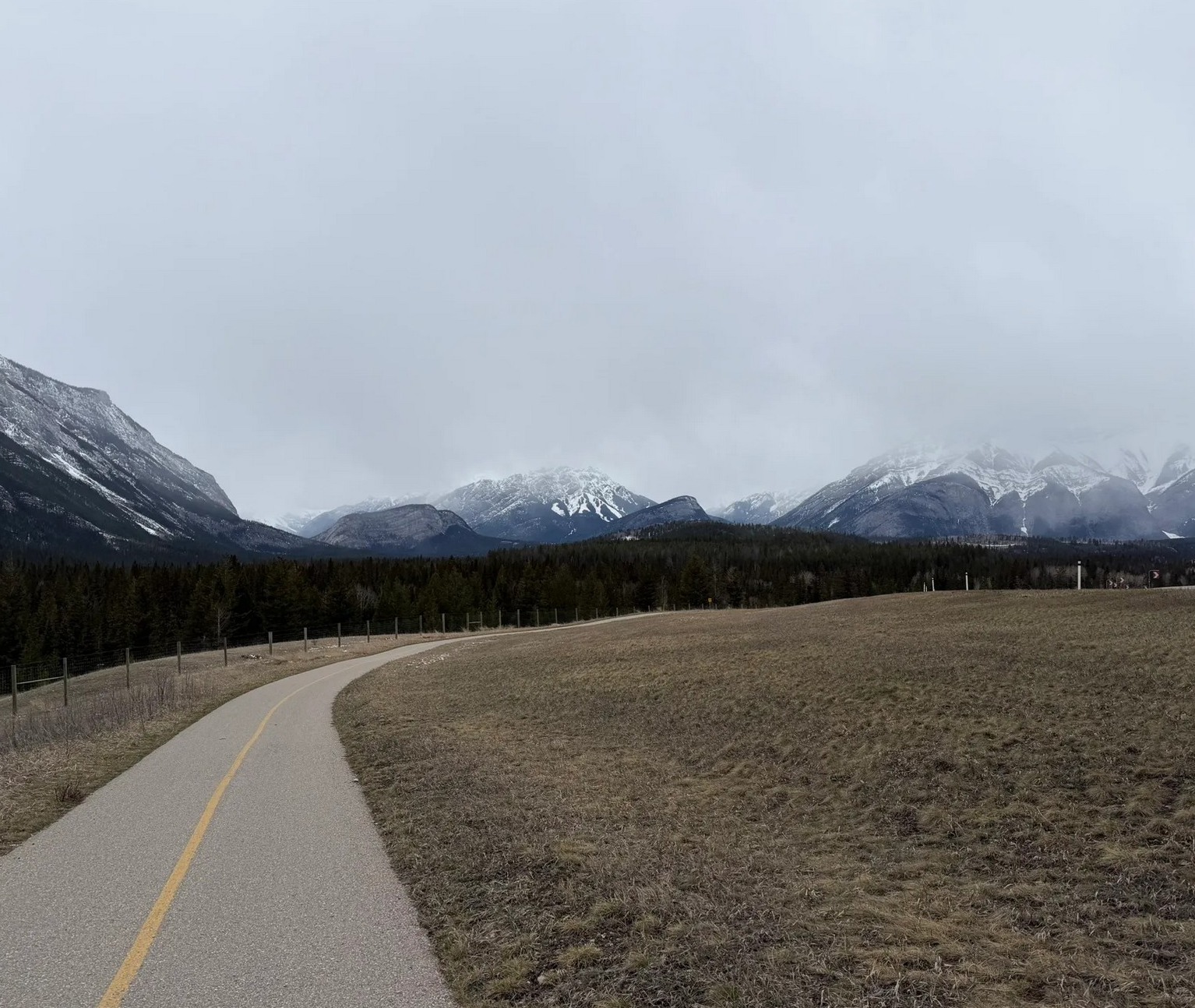
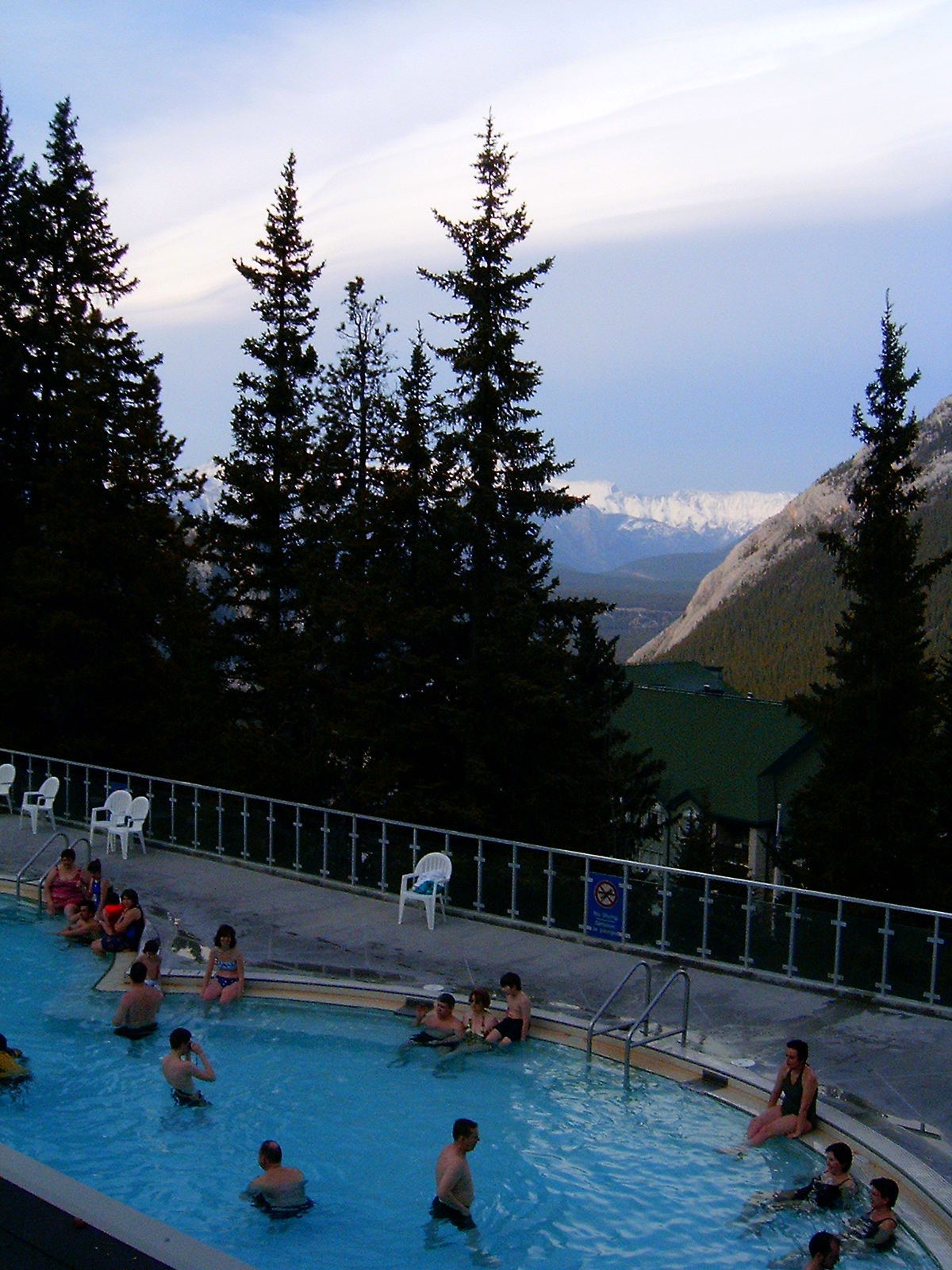
Make the visitor want the day, then keep them out of trouble.
The visual job is simple: show the water day in a few frames. The planning job comes next: choose the lake, check the water rules, solve transport, and save a backup before anyone carries gear to the wrong place.
Lake Minnewanka photo: Gorgo via Wikimedia Commons, public domain. Roam bus photo: Jason Baker, CC BY 2.0. Hot springs photo: Glenlarson, public domain.
Choose the lake by the job it solves
Use this for the wide-water mountain view, cruise, shoreline walk, fishing questions, and a strong memory-movie chapter. Do not assume you can bring a paddleboard, kayak, or large inflatable: Parks Canada puts Minnewanka in a Special Tactics Zone with specific restrictions.
Use this when the group wants the closest thing to a warm-feeling lake day near Banff, a short lake loop, an easier swim attempt, or a casual paddle plan. Still verify water rules, weather, parking, and whether the group can handle cold mountain water.
Use this for picnic, photo, and paddleboarding style stops on the Minnewanka Loop. It is close enough to combine with Johnson Lake or Minnewanka, but summer parking is limited and wildlife may be present along the road.
Use Cascade Ponds for a picnic-style family reset with nearby facilities, and use the Bow River as a walking/scenery chapter from town. Do not treat the Bow River like a casual swim attraction.
The rule that matters in 2026: check the water zone
Parks Canada now groups Banff National Park waters into activity zones. This matters because the same plan can be legal at one lake and prohibited at another.
Swimming, beach toys, snorkeling, scuba, fishing without waders/wading boots, and inspected motorized boating may be allowed. Personal paddling and large inflatables are prohibited. Rental watercraft available at the lakeshore have separate handling rules.
These are more plausible swim, paddle, and picnic choices, but watercraft and related gear must still be Clean, Drain, Dry, and Certified before entering a new waterbody.
A national park fishing permit is required. Johnson Lake is closed to fishing under the current Parks Canada fishing page; do not infer fishing permission from general lake access.
How to get there without turning the lake into a parking problem
Use Roam Route 6 when it is operating. The official route page describes service from downtown Banff to the Lake Minnewanka corridor, including Cascade Ponds, Johnson Lake, Two Jack stops, and Lake Minnewanka. Always open the live route page for your exact date.
Drive early or later in the day in peak season. Banff & Lake Louise Tourism warns that Minnewanka Loop attraction parking is extremely limited from June to September. If the car is full of kids, food, or paddle gear, build a backup before you leave town.
Use a town washroom and grocery stop before the lake corridor if the group has kids, older visitors, or a long return. Cascade Ponds has nearby picnic tables, fire pits, and public bathrooms according to Town swimming information.
Water stops must stay wildlife-safe. Pack food waste back to town or use official bear-safe bins. Do not leave picnic waste at lake edges, trailheads, or overflow parking.
What to bring before leaving town
- Warm layers, towel, dry clothes, sunscreen, sunglasses, and drinking water. Banff lakes are cold even when the air feels warm.
- Life jacket/PFD and required safety gear for each person if you are on watercraft; use Parks Canada and Transport Canada rules rather than guessing.
- Food packed in a wildlife-safe way, plus a plan for garbage and bottle return after the picnic.
- Medication, allergy supplies, blister care, and child basics before you leave the townsite.
- A no-water backup: shoreline walk, lake photos, cruise, easy downtown loop, hot springs, museum, or dinner.
Safety scripts for common lake mistakes
Maybe, but only as an unsupervised, cold-water choice. The Town says lake swimming is at your own risk and most other Banff National Park lakes are glacier-fed and usually too cold for swimming. Pick the lake and risk level honestly.
Not to Lake Minnewanka under current Parks Canada restrictions. Johnson Lake or Two Jack may fit better, but only after Clean, Drain, Dry, and Self-certification requirements are met.
Only Lake Minnewanka allows motorized boats in Banff National Park, and private motorized boats require a Parks Canada inspection appointment before launch. Personal watercraft and towing sports are prohibited.
Lake Minnewanka can get sudden strong winds and waves, especially in the afternoon. If wind, cold, smoke, or storms are moving in, switch to shoreline photos, town food, hot springs, or an indoor backup.
Turn water time into a memory movie chapter
Water photos work best when they are placed on the map: downtown start, Route 6 or Minnewanka Loop movement, first lake reveal, picnic or shoreline moment, weather change, and return to town. The value is not just a pretty lake photo; it is the route and feeling of the day.
Map line from Banff to the lake corridor.
Mountains, water, one person small for scale.
Picnic, towel, paddle gear, kids, coffee, or quiet pause.
Back to Banff for dinner, hot springs, or a low-effort walk.
Official sources and live links
Hours, prices, transit schedules, parking rules, closures, and ticket availability can change. Use these links as the current source of truth.