The goal is to test whether a destination digital twin can create traffic by selling the feeling first, then routing visitors into practical planning, Photo Story, and partner-ready actions. The page now includes playable sample videos; the production user-upload, rendering, checkout, publishing, and storage service is not enabled yet.
Playable demo: turn a place into a feeling loop
Three traffic experiments
Make the visitor feel the place before asking them to plan it.
Successful ambience and walking videos work because they solve a mood: sleep, focus, memory, travel longing, or the feeling of being there. These three tests copy that logic with source-safe Banff-area scenes and a clear route back to the planner.
YouTube pilot 1
Lake Louise rain window: 60-second ambient test
This is the first real video pilot, not just a static page mockup: rain-on-glass mood, slow camera drift, soft ambient audio, and a clear return path into the Lake Louise planner.
The YouTube channel upload is still pending because it requires the site owner's Google login. After upload, this card should link to the YouTube watch page and use this thumbnail as the click target.
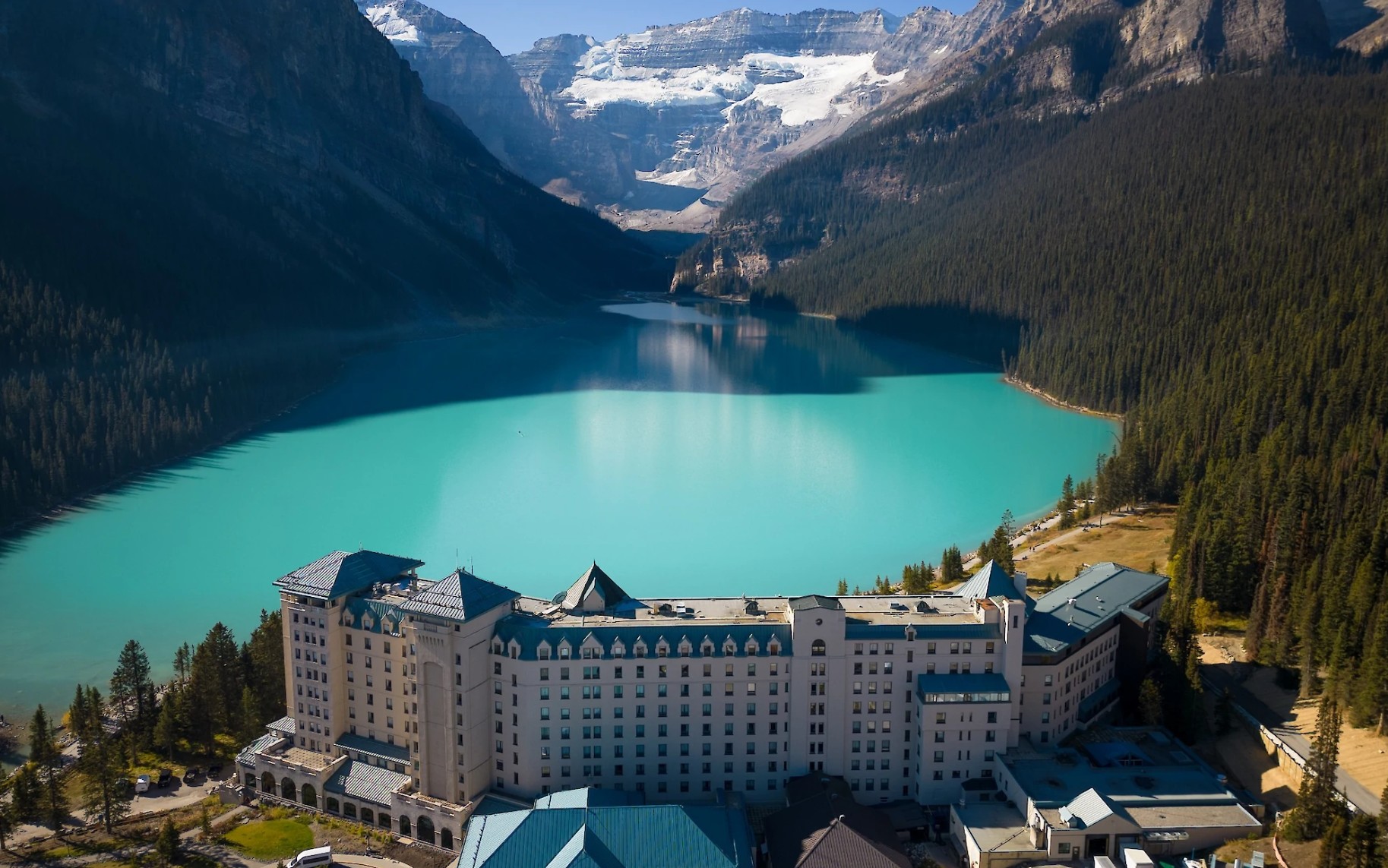
These are short sample videos, not live footage or current weather. Browser upload previews stay local only. Use only source-safe project, public-domain, licensed, filmed, or generated visuals.
Each experiment serves a job that high-performing ambience videos already validate: sleep, focus, emotional travel, slow walking, or a quiet return to a place.
The visual must be tied to Lake Louise, Banff Avenue, or Canmore. If the exact clip is not available, label the placeholder clearly and request/source a real local clip before paid use.
The loop creates desire; the planner answers the next question: how to go, where to park, where to warm up, where to eat, and how to turn the visit into a Photo Story.
Track scene choice, upload interest, format choice, guide clicks, map opens, outbound booking clicks, and later YouTube or Shorts referral traffic.
The first three content experiments
These are not random scenic clips. Each experiment has a viewer job, a place anchor, a content format, and a measurable next step. The test is whether emotion-first content can bring visitors back into practical planning and the Photo Story product.
Lake Louise rain window
Viewer job: calm, sleep, focus, and the feeling of looking at the lake without rushing outside.
Format: 45-sec vertical short plus 10-min YouTube loop. Rain on glass, low music, glacier lake view, slow caption.
CTA: plan the Lake Louise day after the feeling lands.
Banff Avenue rain walk
Viewer job: feel like walking through Banff without needing a hard itinerary first.
Format: first-person slow walk from the Visitor Centre toward Banff Avenue and Bear Street: wet pavement, shop lights, mountains, light rain.
CTA: choose food, shopping, postcard, transit, or a next stop.
Canmore quiet field
Viewer job: a personal quiet moment: mountains to the left, school field ahead, trees nearby, and faint highway sound making the stillness larger.
Format: generated or filmed 10-min loop after the user provides the map pin. Google Street View can guide composition only; final media must be original or generated and labeled.
CTA: invite visitors to submit a pin or clip for the next place-memory loop.
Start with a feeling, show a real or source-safe place, hold the shot long enough to breathe, add natural sound, then give one practical next action: plan the route, save the stop, open the guide, or turn the day into a Photo Story.
Why this belongs on the travel site
This makes the destination digital twin feel alive. The site is not only a list of places. It becomes a place-memory system where visitors can keep a moment, attach it to a real node, and optionally share it back as aggregate knowledge.
It gives the visitor a reason to feel the place before reading logistics. A quiet loop can sell the desire to go better than another list of facts.
The page exposes structured language about moments, moods, place nodes, consent, outputs, and source policy. AI agents can understand the product without guessing.
Ambient travel loops can become content on YouTube, TikTok, Reels, Xiaohongshu, or Bilibili, then link back to the practical guide and story product.
With consent, visitor clips can teach the place twin what each node feels like by season, weather, time of day, crowding, and sound context.
What these experiments should prove
Tests whether a famous view can become a calm/sleep/focus content product, then send visitors into a lake-day guide.
Tests whether a first-person town walk can create downtown food, shopping, postcard, transit, and next-stop clicks.
Tests whether a non-famous personal place can still attract attention when the feeling is specific: field, mountains, trees, and faint highway hum.
Watch scene selections, guide clicks, upload-preview interest, social-format choices, and later referrals from YouTube, Shorts, Reels, TikTok, Xiaohongshu, or Bilibili.
What must exist before this can be sold
- Consent: clear terms for photo/video/audio processing, metadata reading, private output, and optional aggregate learning.
- Upload pipeline: temporary storage, file size limits, malware scanning, retention/deletion controls, and private-by-default handling.
- Renderer: FFmpeg, Remotion, or another video pipeline for vertical shorts, seamless loops, captions, music, and export presets.
- Rights: generated music provenance, no-music option, user-owned media confirmation, and source labels for any project visuals.
- Payment: Stripe Checkout or payment links only after the visitor sees a clear preview and export options.
- Analytics: track clicks, scene choices, upload-start interest, export-format choice, share intent, and paid-export conversion.
- Content channel: publish the strongest loops as source-safe YouTube/Shorts/Reels/TikTok experiments and track referral traffic back to the planner.
Official sources and live links
Hours, prices, transit schedules, parking rules, closures, and ticket availability can change. Use these links as the current source of truth.